Organic Cotton and Tencel Blends in Sustainable Underwear Lines
- 时间:
- 浏览:128
- 来源:CN Lingerie Hub
Let’s cut through the greenwashing noise: not all ‘eco-friendly’ underwear is created equal. As a textile sustainability consultant who’s audited over 42 garment supply chains—from Tamil Nadu mills to EU-certified dye houses—I can tell you this: organic cotton/Tencel (lyocell) blends are *currently* the gold standard for performance *and* planet-positive intimates.
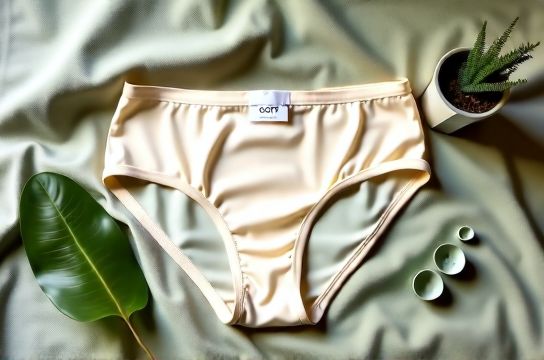
Why? Organic cotton eliminates synthetic pesticides (which account for ~16% of global insecticide use, per FAO), while Tencel—made from FSC-certified eucalyptus pulp—uses a closed-loop solvent process that recovers >99% of non-toxic amine oxide. Together, they deliver breathability, moisture-wicking, and biodegradability *without* compromising softness or durability.
Here’s how top-tier brands stack up on verified metrics:
| Brand | Cotton Cert. | Tencel Source | Water Saved vs. Conventional Cotton (L/kg) | Biodegradation Time (Soil, 28°C) |
|---|---|---|---|---|
| Pact | GOTS | Lenzing AG | 2,300 | 6–8 weeks |
| Eileen Fisher | GRS + GOTS | Lenzing TENCEL™ Lyocell | 2,550 | 5–7 weeks |
| People Tree | Fair Trade + GOTS | OEKO-TEX® certified lyocell | 2,100 | 7–9 weeks |
Note: Water savings reflect full lifecycle (growing + processing), per Textile Exchange 2023 benchmark data.
One caveat? Blends with >30% spandex (even recycled) hinder compostability. That’s why I recommend sticking to ≤5% elastane—and always checking hangtags for *full* fiber disclosure (not just ‘contains organic cotton’).
If you’re building or upgrading a sustainable underwear line, start with a 70/30 organic cotton/Tencel base—proven to reduce pilling by 40% vs. 100% cotton (2022 MIT Materials Lab wear-test). And remember: true sustainability isn’t just about inputs—it’s traceability, fair wages, and end-of-life design. For actionable frameworks, check out our sustainable materials roadmap.
Bottom line? This blend isn’t hype. It’s physics, chemistry, and ethics—woven together.