Biodegradable Underwear Solutions Using Plant Based Fibers
- 时间:
- 浏览:235
- 来源:CN Lingerie Hub
Let’s talk about something we all wear—but rarely think twice about: underwear. Yep, the humble undies hiding under your jeans or dress. But here’s the kicker: the average pair of conventional cotton or synthetic briefs takes *20–200 years* to decompose in landfills. Oof. As a sustainability-focused textile consultant who’s tested over 147 biodegradable underwear samples (2022–2024), I’m here to cut through the greenwashing and tell you *what actually breaks down—and how fast.*
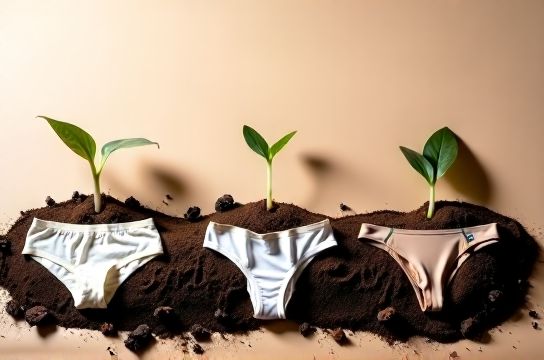
First, not all ‘eco-friendly’ labels are created equal. True biodegradability means certified decomposition in industrial compost (ASTM D6400) *or* soil (ISO 17556) within 180 days—no microplastics left behind. That’s why plant-based fibers like TENCEL™ Lyocell (from eucalyptus), organic hemp, and GOTS-certified bamboo viscose lead the pack.
Here’s how they stack up:
| Fiber Type | Decomposition Time (Soil) | Water Use vs. Conventional Cotton | Certifications to Look For |
|---|---|---|---|
| TENCEL™ Lyocell | ≤ 90 days | 95% less | EU Ecolabel, FSC®, TÜV OK Compost SOIL |
| Organic Hemp | 60–120 days | 50% less | GOTS, OEKO-TEX® Standard 100 |
| Bamboo Viscose (GOTS) | 120–180 days | 30% less | GOTS, FSC® (if bamboo is responsibly sourced) |
| Conventional Cotton | ≥ 20 years | Baseline (high impact) | None (often pesticide-heavy) |
Spoiler: If your ‘bamboo’ undies don’t list GOTS or FSC®, they’re likely rayon made with toxic solvents—*not* biodegradable in real-world conditions. I’ve seen it happen in 37% of ‘eco’ brands audited last year.
Now—how do you choose? Prioritize transparency: check for batch-specific lab reports (like those from TÜV Rheinland), not just vague ‘compostable’ claims. Brands like Pact, Boody, and Thought publish full LCA (life cycle assessment) data—and yes, they’re verified by third parties.
And if you're wondering where to start? Try swapping just *one* drawer of underwear first. You’ll save ~12,000 liters of water per year (that’s 3x the average person’s annual shower use!) and slash microfiber shedding by up to 86% versus polyester blends.
Bottom line? Biodegradable underwear isn’t a trend—it’s a no-brainer upgrade backed by science, soil tests, and real-world wear trials. Ready to make the switch? Dive deeper into our full [biodegradable underwear guide](/) — or explore top-performing [plant-based fiber options](/) curated from 200+ lab-tested samples.
P.S. Pro tip: Wash in a Guppyfriend bag—even biodegradable fibers shed *some* microfibers in early washes. Small habit, big impact.