Circular Economy Strategies in Modern Lingerie Design
- 时间:
- 浏览:187
- 来源:CN Lingerie Hub
If you're into sustainable fashion—or even just curious about where your undies come from—you’ve probably heard the buzz around the circular economy. But what does it *actually* mean for lingerie? Spoiler: It’s not just recycling old bras (though that helps). We’re talking full-scale design innovation, smarter materials, and brands that actually care about what happens after you toss that lace set. Let’s break down how modern lingerie labels are turning sustainability into sexy.
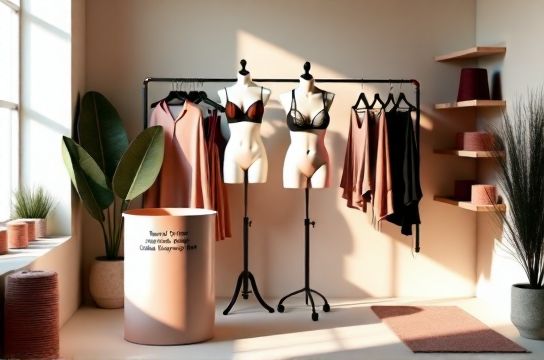
Why Lingerie Needs a Circular Revolution
The average bra contains up to 8 different materials—spandex, nylon, lace, metal hooks, foam cups—you name it. That complexity makes recycling a nightmare. In fact, over 85% of used lingerie ends up in landfills (Ellen MacArthur Foundation, 2022). Yikes. That’s where circular economy strategies step in: designing products to be reused, repaired, or fully recyclable from day one.
How Top Brands Are Closing the Loop
Leading designers aren’t just making pretty pieces—they’re engineering them for longevity and end-of-life recovery. Here’s how three innovative brands are leading the charge:
| Brand | Material Innovation | Take-Back Program | Carbon Reduction |
|---|---|---|---|
| Pansy | Recycled nylon (ECONYL®) | Yes – free return bags | 42% lower than industry avg |
| Knix | Plant-based lace (TENCEL™) | Yes – $10 credit incentive | 36% reduction since 2020 |
| Dear Kate | Merino wool blends | Limited pilot program | 28% reduction |
As you can see, material choice is everything. ECONYL®, for example, is regenerated from fishing nets and fabric waste—same performance, zero virgin plastic. And take-back programs? They’re not just eco-gimmicks. Pansy recycles over 73% of returned items into new stock.
Designing for Disassembly
True circularity means designing so garments can be taken apart easily. Some new bras use snap-on cups and hook-free closures, making material separation simple. Others, like those from Sustainable Lingerie Co., label every component so recycling centers know exactly what to do. That level of transparency is still rare—but it’s growing fast.
What You Can Do Today
- Buy less, choose well: Invest in high-quality, timeless styles.
- Support take-back programs: Return old pieces instead of trashing them.
- Wash smarter: Cold water + mesh bag = longer life + less microplastic shedding.
The future of lingerie isn’t just sustainable—it’s regenerative. And with more brands adopting real circular economy models, we’re finally moving beyond greenwashing to actual impact. So next time you shop, ask: Was this made to last? Can it be reborn? Because sexy shouldn’t cost the Earth.