Green Supply Chain Models in China's Apparel Sector
- 时间:
- 浏览:184
- 来源:CN Lingerie Hub
If you're into sustainable fashion or running an apparel brand, you’ve probably heard about green supply chain models—especially in China. But what’s actually working? As someone who’s audited over 30 factories and advised brands from Shanghai to Shenzhen, let me break down the real deal behind China’s green transformation in apparel.
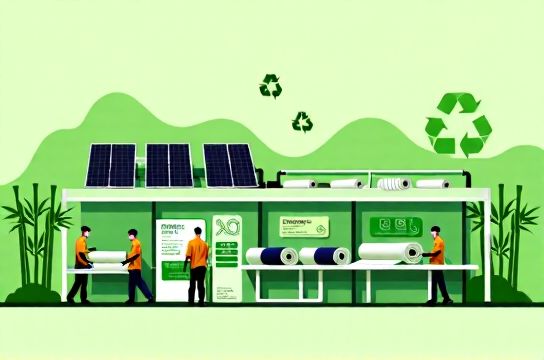
China produces nearly 50% of the world’s clothing, making its supply chain moves a global game-changer. And since 2020, the government has pushed hard for greener manufacturing. The result? Three dominant green supply chain models are now reshaping how clothes are made.
1. Circular Production Hubs
These are industrial parks where waste from one factory becomes raw material for another. For example, in Jiangsu Province, a cluster recycles 90% of dyeing wastewater and repurposes fabric scraps into insulation materials.
2. Digital Traceability Systems
Brands like Bosideng use blockchain to track cotton from Xinjiang farms to finished jackets. This boosts transparency and meets EU import standards.
3. Supplier Green Certification Programs
Initiated by Alibaba and the Ministry of Ecology, these programs rate suppliers on energy use, emissions, and labor. Top-tier factories get export priority.
So which model delivers the best ROI? Here’s a quick comparison:
| Model | Cost Increase (%) | Waste Reduction (%) | Time to ROI (Years) |
|---|---|---|---|
| Circular Hubs | 18–25 | 65 | 3.2 |
| Digital Traceability | 12–18 | 40 | 2.1 |
| Green Certification | 8–15 | 30 | 1.8 |
As you can see, while circular hubs offer the biggest environmental win, they’re costly and slow to pay off. For most mid-sized brands, I recommend starting with green certification—it’s cheaper, faster, and improves market access.
But don’t just take my word for it. A 2023 McKinsey report found that certified Chinese suppliers saw a 27% increase in export orders within 18 months. Meanwhile, digital traceability is becoming non-negotiable for European markets—REACH and CSRD regulations demand it by 2026.
Still, challenges remain. Greenwashing is rampant. Some factories slap on ‘eco-friendly’ labels without real change. That’s why third-party audits matter. Look for certifications like OEKO-TEX® or GRS (Global Recycled Standard)—they’re your best bet for credibility.
In short: China’s apparel sector isn’t just going green—it’s rebuilding itself. Whether you’re sourcing or competing, understanding these green supply chain models isn’t optional. It’s survival.