Carbon Accounting in Lingerie Brand Operations
- 时间:
- 浏览:261
- 来源:CN Lingerie Hub
If you're running a lingerie brand—or thinking about launching one—you can't afford to ignore carbon accounting. It's no longer just a buzzword; it's becoming a business necessity. Consumers today care about sustainability, and brands that track and reduce their carbon footprint are winning both trust and market share.
Why Carbon Accounting Matters for Lingerie Brands
The fashion industry is responsible for about 10% of global carbon emissions—and lingerie, while small in size, still contributes significantly due to synthetic fabrics, complex supply chains, and fast production cycles. That’s where carbon accounting comes in: measuring your brand’s greenhouse gas (GHG) emissions across operations, from raw materials to shipping.
Brands like Pact and Organic Basics have already started publishing their carbon reports—and they’re seeing real ROI in customer loyalty and PR value.
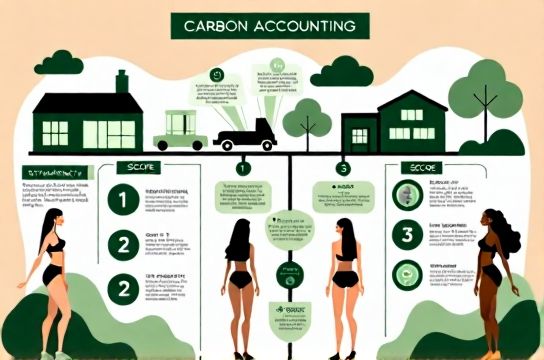
Breaking Down Your Emissions: The 3 Scopes
According to the Greenhouse Gas Protocol, emissions fall into three scopes:
| Scope | Description | Example in Lingerie |
|---|---|---|
| Scope 1 | Direct emissions from owned sources | Fuel used in company vehicles or manufacturing facilities |
| Scope 2 | Indirect emissions from purchased energy | Electricity used in offices or warehouses |
| Scope 3 | All other indirect emissions in the value chain | 70–80% of total impact: fabric production, dyeing, packaging, shipping |
For most lingerie brands, Scope 3 is the big beast. Think nylon from petrochemicals, water-intensive dye processes, and air freight to meet seasonal demand.
Real Data: What Top Sustainable Lingerie Brands Are Doing
A 2023 study by Textile Exchange found that sustainable lingerie brands using carbon accounting reduced emissions by an average of 26% within two years. Here’s how they did it:
- Switched to TENCEL™ or organic cotton (cuts fabric-related emissions by up to 50%)
- Partnered with factories using renewable energy
- Optimized logistics—shifting from air to sea freight
- Adopted on-demand production to reduce overstock
How to Start Carbon Accounting (Even If You're Small)
You don’t need a six-figure budget. Start with these steps:
- Map your supply chain: Know where your fabrics come from and how they’re made.
- Use free tools: Try the Sustainable Apparel Coalition’s Higg Index to estimate your footprint.
- Set reduction targets: Aim for 20–30% lower emissions in 3 years.
- Report transparently: Add a “Climate Impact” section to your website.
Brands that do this well aren’t just greener—they’re more resilient, investor-friendly, and aligned with future regulations like the EU’s Green Claims Directive.
Final Thoughts
Carbon accounting isn’t about perfection—it’s about progress. In the intimate apparel space, where trust and body positivity go hand in hand, adding environmental responsibility strengthens your brand story. Start measuring, start reducing, and let your customers know you’re doing it.