Biodiversity Considerations in Fiber Cultivation
- 时间:
- 浏览:227
- 来源:CN Lingerie Hub
If you're into sustainable fashion or eco-friendly textiles, you've probably heard about the environmental impact of fiber cultivation. But here's the real tea: not all fibers are created equal — especially when it comes to biodiversity. As someone who’s spent years analyzing textile supply chains, I’m breaking down what actually matters in fiber farming and how your choices affect ecosystems.
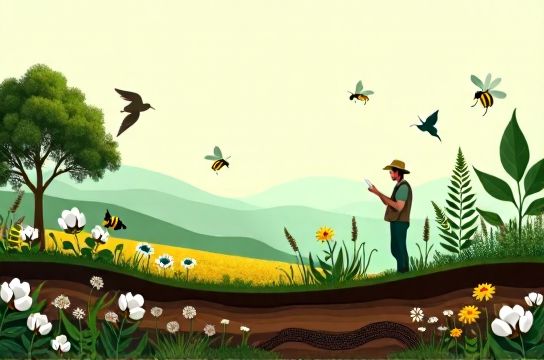
Let’s get one thing straight: biodiversity isn’t just about saving cute animals. It’s about maintaining resilient ecosystems that support soil health, pollinators, water cycles, and long-term agricultural viability. And guess what? The way we grow natural fibers can either support or destroy this balance.
Take conventional cotton, for example. It covers only 2.5% of global cropland but uses nearly 16% of all insecticides — more than any other major crop (FAO, 2022). That heavy chemical load doesn’t just kill pests; it wipes out beneficial insects, birds, and soil microbes. Compare that with organic hemp or linen, which require little to no pesticides and actually improve soil structure.
Here’s a quick comparison of common natural fibers and their biodiversity impact:
| Fiber Type | Pesticide Use | Water Needs (L/kg) | Soil Health Impact | Biodiversity Friendliness |
|---|---|---|---|---|
| Conventional Cotton | Very High | 9,000–12,000 | Negative | Low 🟥 |
| Organic Cotton | Low | 7,000–9,000 | Neutral/Positive | Moderate 🟨 |
| Hemp | None | 2,000–3,000 | Positive | High 🟩 |
| Linen (Flax) | Minimal | 2,700–4,000 | Positive | High 🟩 |
Now, let’s talk about regenerative agriculture practices, which go beyond sustainability. These methods — like crop rotation, intercropping, and reduced tillage — actively restore habitats and increase species diversity on farms. For instance, a 2023 study in India showed that cotton farms using regenerative techniques saw a 40% increase in bird and insect populations within three years.
Another game-changer? Choosing regionally appropriate fibers. Growing water-thirsty cotton in arid regions like Uzbekistan has led to the near disappearance of the Aral Sea. Meanwhile, cultivating drought-tolerant fibers like agave or cactus in dry climates supports local ecology without straining resources.
One underrated hero is TENCEL™ (lyocell), made from sustainably harvested eucalyptus. While eucalyptus is invasive in some areas, closed-loop production systems used by responsible manufacturers prevent ecological spread and minimize waste. Plus, these plantations often avoid primary forests, opting instead for degraded land — helping restore biodiversity in fiber cultivation rather than harming it.
The bottom line? Not all 'natural' fibers are eco-friendly. Look beyond marketing buzzwords. Prioritize materials grown with low chemical input, high ecosystem support, and ethical land use. Your wardrobe can be a force for regeneration — if you choose wisely.