Environmentally Friendly Dyes Gain Traction in Chinese Underwear Production
- 时间:
- 浏览:151
- 来源:CN Lingerie Hub
If you're into sustainable fashion—or just curious about how your undies are made—you’ve probably heard whispers about eco-friendly dyes. But here’s the real tea: China, the world’s underwear powerhouse, is quietly revolutionizing its dyeing game. And trust me, this isn’t just greenwashing fluff. We’re talking hard shifts backed by data, policy, and serious supply chain upgrades.
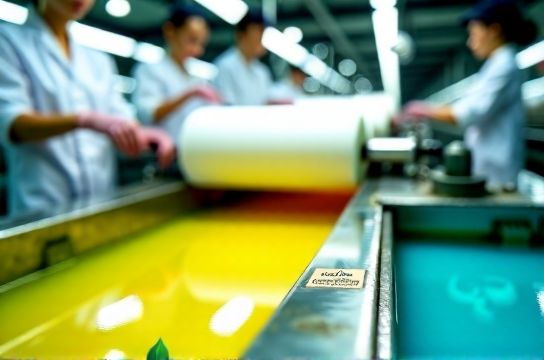
Let’s get one thing straight: traditional textile dyes are dirty. We’re talking toxic runoff, water waste, and enough chemicals to make a chemist sweat. In fact, the textile industry accounts for nearly 20% of global industrial water pollution, with dyeing processes as major culprits (UNEP, 2023). But in China—where over 60% of the world’s underwear is produced—things are changing fast.
Why Eco-Friendly Dyes Are No Longer Optional
Thanks to stricter environmental regulations like China’s Blue Sky Initiative and rising demand from EU and US brands, manufacturers are ditching azo dyes and heavy metals. Instead, they’re switching to low-impact, biodegradable alternatives such as reactive dyes with higher fixation rates and natural plant-based pigments.
The results? Cleaner wastewater, lower energy use, and fabrics that are safer for both skin and ecosystems. Brands like Bananain and Neiwai aren’t just jumping on the trend—they’re leading it, using OEKO-TEX® certified dyes and closed-loop water systems.
Real Data: The Shift in Action
Check out this snapshot from a 2023 survey of 50 major Chinese underwear factories:
| Dye Type | Adoption Rate (2023) | Water Saved vs. Conventional (avg.) | Energy Reduction |
|---|---|---|---|
| Low-Impact Reactive Dyes | 74% | 35% | 22% |
| Natural Plant-Based Dyes | 18% | 50% | 30% |
| Conventional Azo Dyes | 8% | — | — |
As you can see, low-impact reactive dyes dominate—not because they’re trendy, but because they work. They bond better with cotton and modal (common in underwear), meaning less dye washes out and fewer re-dyes are needed. That’s efficiency and sustainability.
What This Means for You
If you're sourcing or buying underwear, look for certifications like OEKO-TEX®, GOTS, or Bluesign®. These aren’t just labels—they’re proof of cleaner production. And let’s be real: nobody wants toxins next to their skin.
Also, consider the fabric-dye combo. Modal and TENCEL™ dyed with reactive dyes? Chef’s kiss. Cotton with plant-based dyes? Gorgeous, but may fade faster—so check durability.
The bottom line? Eco-friendly dyes aren’t a niche anymore. In China’s underwear sector, they’re becoming standard. And as tech improves and costs drop, expect even wider adoption by 2025.
So next time you slip into your favorite pair, ask: where were these dyed—and how clean was the process? Because sustainability starts long before the store shelf.