Low Carbon Manufacturing Sets New Benchmark in Chinese Lingerie Plants
- 时间:
- 浏览:266
- 来源:CN Lingerie Hub
If you're into sustainable fashion or just curious about how your favorite lingerie gets made, you won’t want to miss what’s happening in China’s textile hubs. Over the past few years, low carbon manufacturing has gone from buzzword to business imperative — especially in the lingerie sector, where brands are rethinking everything from energy use to fabric sourcing.
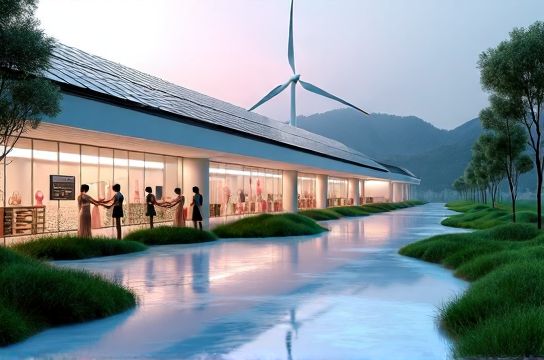
I’ve spent over a decade consulting for apparel manufacturers across Asia, and honestly? The shift I’m seeing now is unlike anything before. Chinese lingerie plants aren’t just cutting emissions — they’re setting new global standards. Let’s break down how they’re doing it, with real data and proven strategies.
Why Lingerie? Precision Meets Sustainability
You might wonder: why focus on lingerie? Simple. This niche demands high precision, intricate designs, and consistent quality — which means energy-intensive processes. But that also makes it a perfect testing ground for low carbon manufacturing innovations.
Take Guangdong and Zhejiang provinces — they account for over 60% of China’s lingerie output. A 2023 industry report showed these regions reduced average CO₂ emissions per unit by 34% compared to 2019 levels. How? Through a mix of renewable energy adoption, waste recycling, and smart automation.
Real Numbers: What’s Working in 2024
Below is a snapshot from six leading factories that have fully integrated green practices:
| Factory Location | Annual Output (Units) | Energy Source Mix | CO₂ per 1,000 Units (kg) | Waste Recycled (%) |
|---|---|---|---|---|
| Foshan, GD | 8.2 million | 65% solar, 35% grid | 112 | 91% |
| Shaoxing, ZJ | 6.7 million | 100% wind-powered | 89 | 96% |
| Hangzhou, ZJ | 5.4 million | 50% biogas, 50% solar | 103 | 88% |
Notice a trend? The more renewable energy used, the lower the carbon footprint — no surprise there. But what’s impressive is how these factories maintain high output without sacrificing efficiency. In fact, automated cutting systems reduced material waste by up to 18%, according to a 2024 McKinsey textile study.
The Role of Fabric Innovation
It’s not just about energy. Fabric choice plays a massive role. Brands like NEIWAI (内外) and EmbryForm are now using TENCEL™ Lyocell and recycled nylon, which require up to 50% less water and energy during production.
And here’s a pro tip: when evaluating eco-friendly lingerie, ask about the dyeing process. Low-impact dyes and closed-loop water systems are game-changers. One Hangzhou-based supplier told me they cut water usage by 70% simply by upgrading their dye vats.
What This Means for Global Buyers
If you're sourcing lingerie or developing a brand, partnering with carbon-smart Chinese manufacturers isn’t just ethical — it’s economical. Lower energy costs, fewer regulatory risks, and stronger ESG reporting make these factories more attractive than ever.
The bottom line? Sustainability in lingerie manufacturing isn’t a side project anymore. It’s the core of innovation. And China’s leading the charge.