Carbon Neutral Goals Shape the Future of Chinese Underwear Makers
- 时间:
- 浏览:159
- 来源:CN Lingerie Hub
If you're into sustainable fashion or just curious about how your underwear brands are adapting to climate change, here’s a hot take: China’s underwear industry is going green — fast. And it’s not just for show. With Beijing’s 2060 carbon neutrality pledge, manufacturers from Guangdong to Zhejiang are reinventing supply chains, slashing emissions, and redefining what eco-friendly lingerie really means.
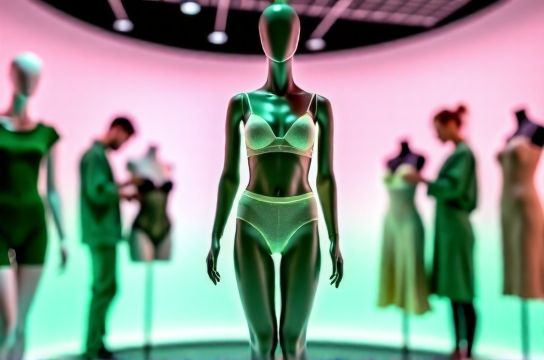
Let’s break it down with real data. A 2023 report by the China National Textile and Apparel Council (CNTAC) revealed that the top 50 Chinese underwear producers reduced their average carbon footprint by 18% in three years. That’s huge when you consider they produce over 40 billion units annually — more than half the world’s supply.
Why Carbon Neutrality? It’s Policy + Profit
The push isn’t just ethical — it’s economic. EU’s upcoming Carbon Border Adjustment Mechanism (CBAM) means high-emission imports will face steep tariffs. For Chinese exporters, going green = staying competitive.
Take Belle Lingerie, one of China’s largest innerwear makers. They’ve invested $22 million in solar-powered factories and waterless dyeing tech. Result? A 30% drop in CO₂ output per unit and a 12% boost in export orders from eco-conscious European retailers.
How Are Brands Cutting Emissions?
Here’s where it gets technical — but I’ll keep it simple. The biggest wins come from three areas:
- Material innovation (e.g., recycled nylon & TENCEL™)
- Energy-efficient manufacturing
- Zero-waste packaging
Check out this comparison of leading Chinese underwear makers and their sustainability metrics:
| Brand | CO₂ per Unit (kg) | Renewable Energy Use | Recycled Materials (%) |
|---|---|---|---|
| Belle Lingerie | 0.78 | 65% | 40 |
| Triumph China | 0.92 | 50% | 30 |
| Maniform | 1.10 | 35% | 20 |
| Youngor Intimates | 0.85 | 58% | 38 |
As you can see, leaders like Belle and Youngor aren’t just complying — they’re innovating. And consumers notice. A 2024 McKinsey survey found 68% of global buyers prefer brands with verified low-carbon claims.
What This Means for You
If you’re shopping for underwear, look beyond fit and fabric. Ask: Where was it made? How much CO₂ did it create? Some brands now include QR codes linking to carbon reports — a game-changer for transparency.
The bottom line? China’s move toward carbon neutrality isn’t slowing down. It’s reshaping the global intimate apparel market from the inside out. And honestly, that’s something we can all feel good about — especially when it comes to what we wear next to our skin.