From Ocean Plastic to Lingerie: Recycling Breakthroughs in China
- 时间:
- 浏览:166
- 来源:CN Lingerie Hub
Let’s talk trash—well, not *just* trash. We’re diving into how China is turning ocean plastic waste into high-value products like lingerie, and trust me, it’s more revolutionary than your morning matcha latte.
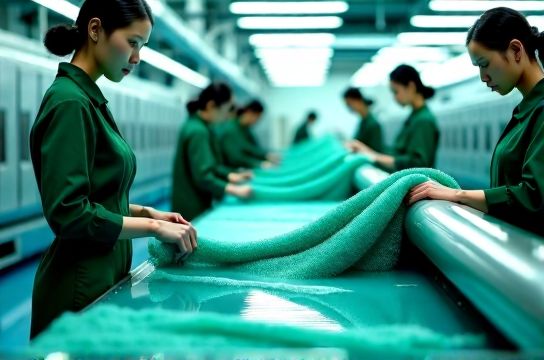
China processes over 63 million tons of plastic annually, with an estimated 1.5 million tons leaking into the ocean (UNEP, 2023). But instead of just pointing fingers, Chinese innovators are flipping the script—literally recycling pollution into profit.
One major player? Hengli Group. They’ve launched a closed-loop system that converts PET from coastal cleanups into food-grade rPET and even fabric for sustainable underwear lines. Yes, you read that right—your next bra could be made from beach trash.
Here’s the real tea: recycled polyester now makes up 18% of China’s fiber production (CIRFS, 2024), up from just 5% in 2020. That growth isn’t accidental—it’s policy-driven. The National Development and Reform Commission (NDRC) mandated a 30% reduction in single-use plastics by 2025, pushing companies to innovate or get left behind.
How It Works: From Waste to Wearable
The process starts with collection—NGOs like Blue Ocean Foundation partner with coastal villages to gather fishing nets, bottles, and packaging. This waste is sorted, cleaned, and processed into flakes. Then comes extrusion: turning flakes into pellets, then into fibers.
Advanced depolymerization tech—used by firms like Sinopec—breaks down contaminated plastic into base monomers, allowing for near-virgin quality output. This means recycled material can meet strict EU safety standards—even for skin-contact textiles.
Key Players & Output Stats (2023)
| Company | Recycled Output (tons/year) | Primary Use | Innovation Type |
|---|---|---|---|
| Hengli Group | 420,000 | Fashion fabric | Mechanical + chemical recycling |
| Sinopec | 180,000 | Packaging & textiles | Chemical depolymerization |
| Far Eastern New Century | 310,000 | Apparel & automotive | Hybrid recycling |
As you can see, the scale is massive—and growing. By 2026, China aims to recycle 50% of its urban plastic waste, per the Ministry of Ecology and Environment.
But here’s the kicker: consumer demand is rising too. A 2023 McKinsey survey found that 67% of urban Chinese consumers prefer brands using recycled materials—especially Gen Z. That’s why lingerie brands like Ubras and NEIWAI are teaming up with recyclers to launch ocean-plastic collections.
If you're curious about how this impacts global supply chains, check out our full guide on sustainable textile innovation. And if you’re sourcing eco-materials, don’t sleep on China’s green manufacturing hubs—they’re leading the circular economy wave.
Bottom line? China’s not just cleaning its coastlines—it’s redefining what “waste” even means. From ocean plastic to lingerie, the future is recycled, wearable, and surprisingly sexy.