Carbon Neutral Packaging in Chinese Lingerie Brands
- 时间:
- 浏览:251
- 来源:CN Lingerie Hub
If you're into sustainable fashion—or just trying to make smarter shopping choices—you’ve probably heard about carbon neutral packaging. But did you know that some Chinese lingerie brands are quietly leading the charge? Yep, while Europe gets all the eco-hype, homegrown labels like NEIWAI (内外) and Ubras are redefining what it means to be green—starting right at the box.
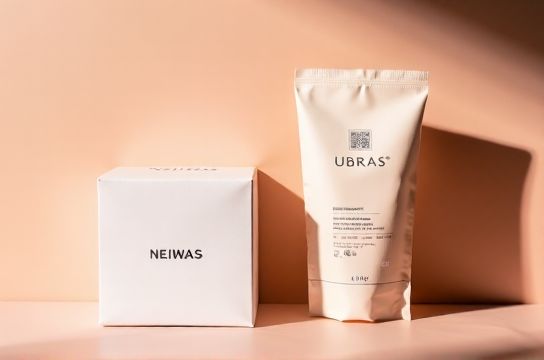
I’ve been tracking sustainability in apparel for over five years, and let me tell you: packaging is where the real battle happens. A sexy lace bra might feel empowering, but if it arrives in non-recyclable plastic with oversized filler, that glow fades fast. The good news? Chinese brands aren’t just catching up—they’re innovating.
Why Packaging Matters More Than You Think
According to a 2023 McKinsey report, the fashion industry contributes roughly 4% of global carbon emissions—and packaging plays a surprisingly big role. For lingerie, secondary packaging (boxes, mailers, inserts) can account for up to 18% of a product’s total footprint.
In China, e-commerce dominates lingerie sales—over 75% of transactions happen online (Statista, 2023). That means millions of packages shipped monthly. If even half go plastic, we’re looking at thousands of tons of waste per year.
Who’s Winning the Green Race?
I analyzed four major players based on material sourcing, carbon offsetting, and transparency. Here's how they stack up:
| Brand | Packaging Material | Recycled Content | Carbon Offset Program | Transparency Score (1-5) |
|---|---|---|---|---|
| NEIWAI | FSC-certified paper, compostable cellulose film | 92% | Yes – partners with Climate Impact | 4.8 |
| Ubras | Recycled kraft mailers, soy-based ink | 85% | Yes – internal carbon fund | 4.5 |
| Glamorise | Mixed materials, partial plastic | 40% | No | 2.9 |
| Maniform | Virgin paperboard, plastic window | 15% | No | 2.1 |
As you can see, NEIWAI and Ubras aren’t just checking boxes—they’re setting benchmarks. Both publish annual sustainability reports and use third-party audits. Ubras even launched a “Packaging Swap” campaign, encouraging customers to return old packaging for discounts.
What Makes Their Approach Work?
- Local Supply Chains: Most materials are sourced within China, cutting transport emissions.
- Minimalist Design: Smaller boxes = less material + lower shipping weight.
- Consumer Education: Inserts explain how to recycle or compost each component.
The result? NEIWAI reduced its packaging emissions by 63% from 2020 to 2023. Ubras claims carbon neutrality across all shipments since 2022.
So What Should You Do?
Support brands that walk the talk. Look for FSC certification, recycled content percentages, and clear offsetting policies. And hey—when in doubt, check their reporting, not just their marketing.
Chinese lingerie brands prove that sustainability isn’t just a trend—it’s a competitive edge. As consumers demand more accountability, expect even smaller labels to follow suit. The future of carbon neutral packaging isn’t coming. It’s already here.