Local Artisans Reviving Traditional Lingerie in China
- 时间:
- 浏览:154
- 来源:CN Lingerie Hub
Forget everything you thought you knew about lingerie. In the quiet villages and bustling backstreets of China, a quiet revolution is unfolding—one stitched with silk threads, embroidered with heritage, and worn with pride. A new wave of local artisans is breathing life into traditional Chinese lingerie, blending centuries-old craftsmanship with modern sensibilities. This isn’t just fashion; it’s cultural reclamation.
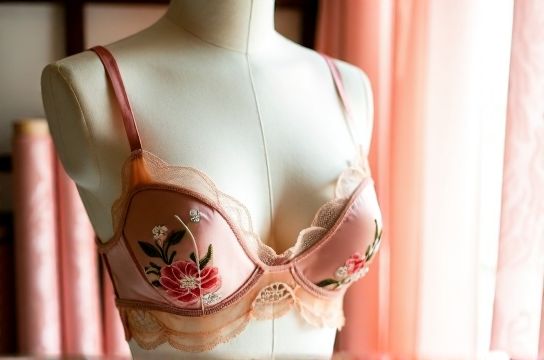
Gone are the days when qipao collars and lotus motifs were reserved for ceremonial wear. Today, designers in cities like Suzhou, Hangzhou, and Chengdu are reimagining delicate undergarments inspired by Ming and Qing dynasty aesthetics—think soft silk bralettes adorned with peony embroidery, or waist-cinching yunjian (cloud collars) reworked into sensual, wearable art.
Take Lin Mei, a third-generation embroiderer from Suzhou. Her atelier produces fewer than 50 pieces a month, each hand-stitched using su xiu (Suzhou embroidery), a technique recognized by UNESCO. “Every thread tells a story,” she says. “These designs once whispered secrets under robes. Now, they speak boldly.”
What’s driving this revival? Data suggests growing consumer interest in sustainable, culturally rooted fashion. According to a 2023 McKinsey report, 68% of Chinese millennials prefer brands that incorporate traditional elements, and 41% are willing to pay a premium for handmade garments.
Here’s a snapshot of the emerging artisan lingerie market:
| Feature | Traditional Mass-Market Lingerie | Artisan-Revival Lingerie |
|---|---|---|
| Average Price (USD) | $10–$25 | $80–$300+ |
| Production Time | 7–14 days | 2–6 weeks |
| Materials Used | Polyester, lace blends | Silk, organic cotton, gold thread |
| Cultural Motifs | Rare or generic | Peonies, dragons, cloud patterns |
But it’s not just about beauty. These pieces often carry symbolic meanings: peonies for prosperity, bats for good fortune (the word fu sounds like bat in Mandarin), and double happiness characters for love. Wearing them becomes an intimate act of cultural connection.
Platforms like Xiaohongshu (Little Red Book) and Taobao have become launchpads for these niche brands. One label, Hua Yin, saw a 300% sales increase after a viral post showcasing a model wearing a red silk set beneath a sheer modern dress—blurring lines between private and public, past and present.
Still, challenges remain. Authentic craftsmanship is time-intensive, and younger artisans are few. Yet, initiatives like the China Intangible Cultural Heritage Fund are offering grants to train apprentices in textile arts.
So, what does the future hold? As global fashion circles increasingly celebrate slow fashion and identity-driven design, Chinese artisan lingerie stands at a crossroads of tradition and transformation. It’s not merely making a comeback—it’s redefining what intimacy means in a cultural context.
In a world of fast fashion clones, these delicate creations remind us: sometimes, the most powerful statements are made in whispers—and silk.”