Global Brands Adapt to Chinese Lingerie Market Needs
- 时间:
- 浏览:151
- 来源:CN Lingerie Hub
In recent years, the Chinese lingerie market has undergone a quiet revolution. No longer just about function, underwear has become a statement of self-expression, confidence, and body positivity. Global brands like Victoria's Secret, Triumph, and Calzedonia are scrambling to adapt — not just by translating slogans, but by rethinking design, marketing, and cultural relevance from the ground up.
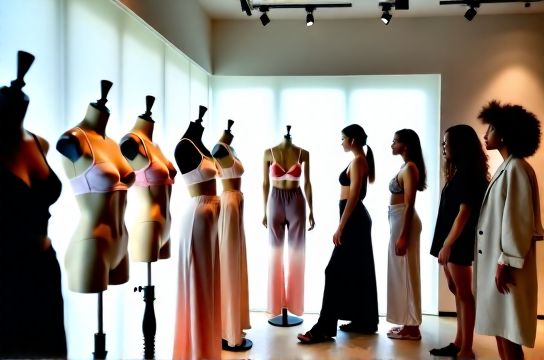
From Push-Up to Self-Love: A Cultural Shift
Gone are the days when Western ideals dominated Chinese beauty standards. Today’s Chinese consumers — especially Gen Z and young millennials — value comfort, inclusivity, and authenticity over overt sex appeal. According to a 2023 McKinsey report, 68% of Chinese women prioritize fit and comfort over brand name when buying lingerie.
This shift hit global players hard. Victoria’s Secret, once the poster child of glamour, saw declining sales in China until it rebooted its strategy in 2022 — ditching the 'Angel' image, launching petite-friendly cuts, and featuring diverse local models like Liu Wen in campaigns.
Local Preferences, Global Response
Chinese body types differ on average from Western ones — shorter torso, narrower shoulders, and smaller cup sizes. Smart brands are responding with localized sizing and designs. For example, Triumph introduced its "Asia Fit" line, tailored specifically for Chinese proportions, which boosted its market share by 12% in two years.
Here’s how major brands are adjusting:
| Brand | Localization Strategy | Result (2023) |
|---|---|---|
| Victoria's Secret | Launched "Love Pink" line with breathable cotton, pastel colors | Sales up 19% YoY in China |
| Ubras | Pioneered tagless, wire-free bras; strong digital marketing | Top 1 brand on Tmall Double 11, 2023 |
| Calzedonia | Collaborated with local influencers; opened 50+ stores in tier-2 cities | Foot traffic up 34% |
| Trikini | Focused on modest swimwear with UV protection | 3x growth in Q4 2023 |
The Rise of Homegrown Heroes
While international brands adjust, homegrown labels like Ubras, NEIWAI (Inside Out), and Pear New York are leading the charge. NEIWAI, known for its minimalist aesthetic and focus on emotional wellness, grew revenue by 40% in 2023. Their secret? Deep understanding of local lifestyles and values.
These brands speak directly to urban Chinese women through WeChat campaigns, livestream selling, and community-driven content. They’re not selling bras — they’re selling empowerment, one seamless bralette at a time.
What’s Next? Data-Driven Personalization
The future is smart, personalized, and sustainable. AI-powered size recommendation tools are now standard on platforms like JD.com and Tmall. Ubras uses machine learning to analyze return data and refine fits — reducing returns by 27%.
Sustainability also matters: 57% of Chinese consumers say eco-friendly materials influence their purchase decisions (Boston Consulting Group, 2023). Brands using recycled fabrics or biodegradable packaging are gaining traction fast.
Final Thoughts
The Chinese lingerie market isn’t just growing — it’s evolving. Global brands that succeed here aren’t those with the flashiest ads, but those willing to listen, adapt, and respect local culture. As one Shanghai-based shopper put it: "We don’t want to look like models. We want to feel like ourselves."
For international players, the message is clear: localize or lose relevance.