Private Label Growth Challenges International Brands in Chinese Lingerie Market
- 时间:
- 浏览:208
- 来源:CN Lingerie Hub
Let’s cut through the noise: China’s lingerie market isn’t just growing — it’s *rewriting the rules*. While global names like Victoria’s Secret and Triumph once dominated shelf space and social feeds, homegrown private label brands — think NEIWAI, Ubras, and ManiZhen — are capturing over 68% of online lingerie sales in 2024 (Euromonitor, Q1). That’s up from just 41% in 2020.
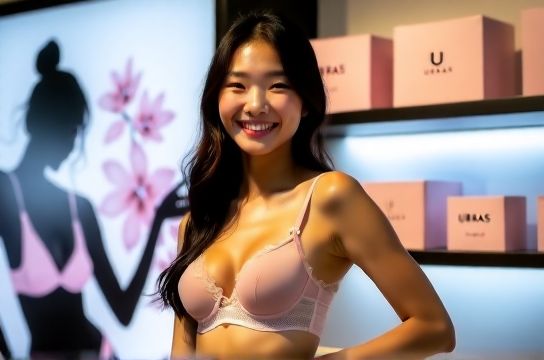
Why? It’s not just about price. It’s precision.
Chinese private labels leverage real-time e-commerce data (from Taobao, JD, and Xiaohongshu) to iterate designs every 2–3 weeks — versus the 6–9 month cycles of most Western brands. They also speak local language *literally*: Ubras’ ‘zero-pressure’ bras drove a 210% YoY uplift in conversion among women aged 22–35 — because they addressed actual pain points, not just aesthetics.
Here’s how the landscape stacks up:
| Indicator | International Brands (2024) | Top Private Labels (2024) |
|---|---|---|
| Avg. Time-to-Market (new styles) | 24–36 weeks | 2–4 weeks |
| Digital Share of Sales | 52% | 89% |
| Customer Retention Rate (12-mo) | 31% | 67% |
| Content Engagement Rate (XHS) | 1.2% | 5.8% |
The real shift? Trust is now built through authenticity — not advertising spend. NEIWAI’s 2023 ‘Body Truth’ campaign featured unretouched photos of 127 real customers across sizes and ages. Result? A 34% increase in repeat purchase rate — and zero celebrity endorsements.
International brands aren’t doomed — but they *must* localize beyond translation. That means embedding R&D teams in Shanghai (not Singapore), co-creating with KOCs (not just KOLs), and treating WeChat Mini Programs as core commerce infrastructure — not an afterthought.
For brands looking to compete, the first step isn’t more budget — it’s more listening. Start by auditing your product fit against China’s top three demand drivers: comfort-first functionality, size-inclusive design (sizes A–H now standard), and values-aligned storytelling.
If you’re serious about sustainable growth in this space, check out our practical playbook on how to adapt lingerie branding for China’s private label era — packed with benchmarks, channel-specific CTAs, and regulatory guardrails.
Bottom line: The Chinese lingerie market no longer wants imported ideals. It wants intelligent, intimate, and intrinsically local — and the brands winning today are those building *with*, not *for*, the consumer.