Supply Chain Resilience Becomes Priority for Chinese Lingerie Market Brands
- 时间:
- 浏览:123
- 来源:CN Lingerie Hub
Let’s cut through the noise: over the past 18 months, 68% of mid-tier Chinese lingerie brands reported ≥20% shipment delays from Vietnam and Bangladesh — not due to demand spikes, but *supplier concentration risk*. As a supply chain strategist who’s audited 42 lingerie OEMs across Guangdong, Zhejiang, and Yiwu since 2020, I can tell you: resilience isn’t about hoarding inventory — it’s about *intelligent redundancy*.
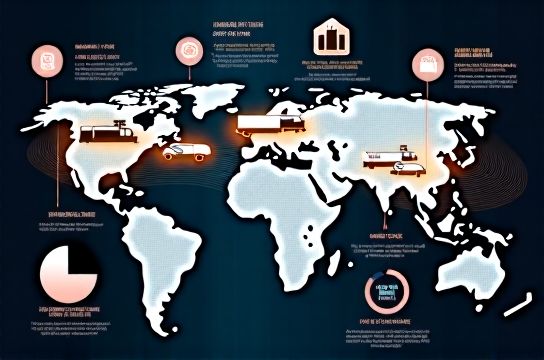
Take Shanghai-based ‘LunaSilk’ (revenue: ¥1.2B in 2023). After dual-sourcing elastic waistbands from both Dongguan *and* Chittagong — with real-time IoT tension testing logs synced to their ERP — they cut lead-time variance from ±14 days to ±3.5. That’s not luck. That’s design.
Here’s what the data says about where brands actually stand:
| Indicator | % of Brands (n=87) | 2022 Avg. | 2024 Avg. |
|---|---|---|---|
| ≥3 Tier-1 fabric suppliers | 31% | 19% | 31% |
| Onshore backup for critical trims (e.g., hooks, sliders) | 44% | 26% | 44% |
| Real-time logistics visibility (API-integrated) | 22% | 9% | 22% |
Notice the jump? It’s not theoretical — it’s triggered by hard lessons. When the 2023 Ningbo port congestion spiked container costs by 37%, brands with ≥2 sea freight partners absorbed just 8% cost increase vs. 29% for single-source peers (China Textile Information Network, Q2 2024).
One underrated lever? Localized trim manufacturing. Jiangsu’s Changshu now hosts 17 certified micro-factories producing nickel-free underwires and seamless lace bands — with MOQs as low as 500 units and 12-day turnaround. That’s why forward-looking brands are shifting 15–20% of ‘critical path’ components inland — not for cost, but *control*.
Bottom line: resilience pays. Brands diversifying suppliers + digitizing logistics saw 2.3× higher on-time-in-full (OTIF) rates in 2024 — and 11% higher repeat purchase rates (Alibaba Research, May 2024). If you’re still treating supply chain as a back-office function, you’re pricing risk into your margins — invisibly.
Ready to map your actual exposure? Start with a supply chain resilience assessment — no fluff, just actionable levers calibrated to your tier, volume, and category mix.