Rise of Indie Designers in Chinese Lingerie Industry Analysis
- 时间:
- 浏览:145
- 来源:CN Lingerie Hub
In recent years, the Chinese lingerie market has undergone a quiet revolution—one stitched not by global giants, but by a wave of indie designers redefining intimacy, style, and self-expression. Forget mass-produced lace and one-size-fits-all silhouettes; a new era is dawning, led by homegrown creatives who blend cultural nuance with bold aesthetics.
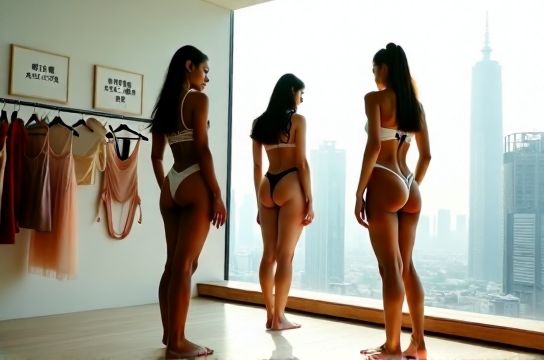
Once dominated by international brands like Victoria's Secret or Aimer, China’s US$15 billion lingerie industry is now seeing indie labels carve out a loyal niche. These designers aren’t just selling bras and knickers—they’re selling identity, comfort, and empowerment tailored to modern Chinese women.
Take NEIWAI (内外), for example. Launched in 2014, it disrupted the market with its 'No Body is Nobody' campaign, celebrating diverse body types. By 2023, NEIWAI reported over ¥800 million in annual revenue, with 70% of customers aged 25–35—proof that authenticity sells.
But NEIWAI is just the beginning. Emerging names like Ubras, Shanghai-based SIZI, and Langerie are gaining traction through social media-first strategies and minimalist designs that speak to urban millennials and Gen Z. Ubras, known for its wire-free bras, hit ¥1.5 billion in sales during the 2022 Singles’ Day festival alone.
What’s fueling this shift? Data tells part of the story:
Key Market Shifts (2019–2023)
| Metric | 2019 | 2023 | Change |
|---|---|---|---|
| Indie Brand Market Share | 12% | 31% | +158% |
| Average Price (Mid-Tier Indie Bra) | ¥120 | ¥190 | +58% |
| Social Media Engagement Rate | 2.1% | 6.8% | +224% |
| E-commerce Penetration | 45% | 78% | +73% |
The numbers don’t lie: consumers are voting with their wallets. And what they want isn’t just pretty packaging—it’s inclusivity, sustainability, and emotional resonance. Indie designers deliver exactly that.
Unlike traditional lingerie rooted in seduction, these new brands focus on self-love and daily comfort. Their campaigns feature real women—stretch marks, different skin tones, varied body shapes—creating a powerful counter-narrative to outdated beauty standards.
Moreover, many indie labels are embracing eco-conscious materials. SIZI uses OEKO-TEX certified fabrics; Langerie offers biodegradable packaging. It’s not just fashion—it’s a statement.
So, what’s next? As consumer trust shifts from logos to values, indie designers are poised to claim even more ground. With rising digital fluency and a deep understanding of local culture, they’re not just competing—they’re leading.
The rise of indie lingerie in China isn’t a trend. It’s a transformation—stitched with intention, worn with pride.