Regulatory Changes Affecting China's Lingerie Industry News
- 时间:
- 浏览:144
- 来源:CN Lingerie Hub
If you're into fashion—or especially lingerie—you’ve probably felt the ripple effects of recent regulatory changes in China’s booming market. As someone who’s been tracking the intimate apparel industry for over a decade, let me break down what’s really going on behind the scenes. Spoiler: It’s not just about tighter rules—it’s about smarter consumer protection and shifting brand strategies.
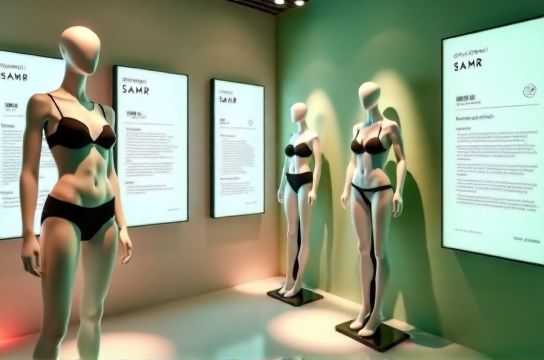
Since 2023, China’s State Administration for Market Regulation (SAMR) has rolled out stricter labeling requirements, material traceability standards, and advertising guidelines targeting misleading claims like 'body-sculpting' or 'medically proven.' These moves are part of a broader push toward product safety and transparency—especially in sectors where consumers are vulnerable to exaggerated marketing.
Why does this matter? Because China’s lingerie market is worth over $15 billion, growing at nearly 8% annually (Statista, 2024). With local brands like NEIWAI (内外) and Ubras gaining ground against international players, regulators are stepping in to level the playing field and protect buyers.
Let’s look at some key changes:
New Compliance Requirements (2023–2024)
| Regulation | Effective Date | Impact on Brands |
|---|---|---|
| Mandatory fiber content labeling | Jan 2023 | All products must list exact fabric percentages; no more vague terms like 'premium blend' |
| Ban on unverified health claims | Mar 2023 | No advertising bras as 'correcting posture' without clinical proof |
| E-commerce ad review system | Jul 2023 | Online ads require pre-approval if targeting women under 25 |
| Sustainability reporting | Apr 2024 | Brands with >$2M annual sales must disclose supply chain emissions |
These aren’t just bureaucratic hurdles—they’re reshaping how brands operate. For example, Ubras pulled three viral ad campaigns after they were flagged for using 'slimming' claims without data. Meanwhile, NEIWAI invested heavily in QR-code-based material traceability, letting customers scan tags to see cotton sourcing details. Smart move—and it boosted trust.
For shoppers, this means better-informed choices. For brands, compliance is now a competitive edge. Smaller labels that can’t afford third-party certifications are struggling, while transparent, ethical marketing is becoming a selling point.
One underrated trend? The rise of 'quiet luxury' lingerie—minimal branding, natural fabrics, and price points between $30–$60. This shift aligns perfectly with new rules and changing tastes. In fact, 68% of urban Chinese women aged 18–35 now say they prefer comfort over shaping (McKinsey, 2023).
So what should you watch next? Keep an eye on regulatory updates in e-commerce—especially live-streamed sales, which are under increased scrutiny. Platforms like Douyin and Taobao now require disclaimers during lingerie livestreams, banning phrases like 'instant waist reduction.'
The bottom line? Transparency isn’t optional anymore. Whether you're a buyer or a brand, understanding these regulatory changes affecting China's lingerie industry is key to staying ahead. Play by the rules, and you might just win customer loyalty in the process.