Data-Driven Insights on the Chinese Lingerie Market Growth
- 时间:
- 浏览:152
- 来源:CN Lingerie Hub
If you're eyeing the Asian fashion market, here’s a hot take: China's lingerie market isn’t just growing — it’s *exploding*. Forget outdated ideas of conservative tastes. Today’s Chinese women are redefining intimacy wear with bold preferences, digital-savvy shopping habits, and a hunger for self-expression. As someone who’s tracked fashion-tech trends across Asia for over a decade, I’ve seen this shift firsthand — and the numbers back it up.
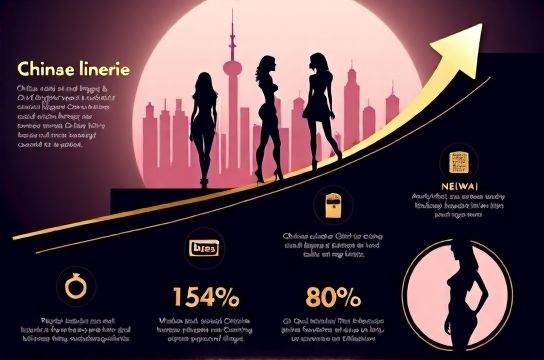
Let’s cut to the chase: the Chinese lingerie market was valued at $18.3 billion in 2023, and it’s projected to hit $27.6 billion by 2028, growing at a CAGR of 8.4% (Statista, 2024). That’s not just impressive — it’s a signal. But what’s really fueling this surge? It’s not just rising incomes. It’s a cultural evolution.
Women aged 20–35 now make up 68% of lingerie buyers, and they’re not shopping for wedding trousseaus anymore. They’re buying for *themselves* — prioritizing comfort, style, and body positivity. Brands like NEIWAI (内外) and Ubras are leading the charge with wire-free bras, gender-neutral designs, and campaigns featuring real bodies. In fact, Ubras reported a 120% YoY increase in direct-to-consumer sales in 2023, thanks largely to its viral TikTok-style content on Xiaohongshu.
But here’s where it gets strategic: e-commerce dominates. Over 85% of lingerie purchases happen online, with Tmall and JD.com leading, but social commerce on Douyin and Xiaohongshu closing the loop from discovery to checkout. And let’s talk fit — a major pain point. AI-powered size guides and AR try-ons have reduced return rates by up to 30% for top brands.
Check out this snapshot of key market players and their edge:
| Brand | Origin | h>Key Differentiator | 2023 Revenue (Est.) |
|---|---|---|---|
| Ubras | China | Wire-free innovation, social-first marketing | $480M |
| NEIWAI (内外) | China | Body-positive branding, premium fabrics | $320M |
| Aimer | China | Wide retail presence, traditional trust | $290M |
| Victoria's Secret | USA | Legacy brand, struggling with localization | $180M |
Notice something? The local players are outpacing global giants. Why? They speak the cultural language. While Victoria’s Secret still leans on angels and runways, Ubras is dropping limited editions with female indie musicians. It’s not just selling bras — it’s selling identity.
And let’s not sleep on tier-2 and tier-3 cities. With improved logistics and rising digital literacy, these regions are contributing 44% of new customers in 2023, up from 31% in 2020. This decentralization means brands can’t rely solely on Shanghai and Beijing anymore.
So, what’s the takeaway? If you’re entering this space, go beyond translation — aim for cultural resonance. Leverage data, yes, but also listen. Partner with local KOLs who align with feminist values, invest in seamless mobile UX, and prioritize sustainability — 61% of consumers say eco-materials influence their choice.
The bottom line? The Chinese lingerie industry is no longer about lace and secrecy. It’s a $27B+ movement powered by empowered women — and smart brands are riding the wave.