Post-pandemic Recovery in Chinese Lingerie Market
- 时间:
- 浏览:131
- 来源:CN Lingerie Hub
If you're keeping an eye on Asia's retail comeback, here’s a hot take: the Chinese lingerie market isn’t just bouncing back—it’s reinventing itself. As a lifestyle blogger who’s been tracking intimate apparel trends since 2018, I’ve seen how culture, consumer behavior, and post-pandemic shifts are reshaping this space. Let me break it down for you with real data, local insights, and why now might be the perfect time to pay attention.
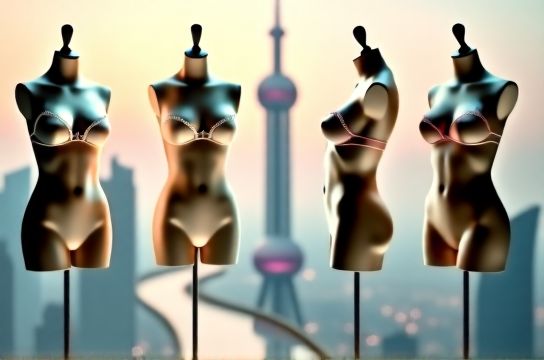
Gone are the days when lingerie in China meant basic cotton bras sold at department stores. Today’s Chinese consumers—especially Gen Z and young millennials—want comfort, style, and self-expression. According to a 2023 report by iiMedia Research, the Chinese lingerie market hit ¥158 billion (about $22 billion) in sales, with an annual growth rate of 9.4% projected through 2026. That’s not just recovery; that’s acceleration.
What’s driving this? Three big factors:
- Rising female empowerment and body positivity
- Digital-first shopping habits (hello, live commerce!)
- A shift from luxury imports to homegrown brands
Take Neiwai (内外), for example. This Shanghai-based brand built its identity around inclusivity and comfort, using slogans like “No Size Fits All.” In 2022, they reported a 35% year-on-year revenue increase—largely driven by their WeChat mini-program and Douyin livestreams. And they’re not alone. Ubras, another domestic player, topped Tmall’s Singles’ Day lingerie sales in 2023 with over ¥500 million in just one day.
Now let’s talk numbers. Here’s a snapshot of key players and their market performance:
| Brand | Origin | 2023 Revenue (Est.) | Key Sales Channel |
|---|---|---|---|
| Ubras | China | ¥800M | Tmall & Douyin |
| Neiwai | China | ¥620M | WeChat & Offline Stores |
| Triumph | Germany | ¥410M | Department Stores |
| Victoria's Secret | USA | ¥290M | Flagship Stores & Tmall |
Notice a trend? Domestic brands dominate both revenue and digital engagement. International giants like Victoria’s Secret are struggling to adapt to local tastes—remember their failed 2022 campaign that felt too ‘Western sexy’? Yeah, Chinese women wanted comfort, not push-up drama.
Another game-changer: the rise of the ‘anti-wire’ bra. In 2023, 68% of bras sold in China were wire-free, according to Alibaba’s Fashion Trends Report. That’s up from just 42% in 2019. Comfort is king, folks.
So what does this mean for shoppers or brands looking to enter the market? First, embrace digital. Over 75% of lingerie purchases start on social platforms like Xiaohongshu or Douyin. Second, localize your message—celebrate real bodies, not airbrushed ideals. And third, consider sustainability. A 2023 survey found that 61% of urban Chinese women aged 18–35 prefer eco-friendly fabrics.
For deeper insights, check out our guide on building a successful lingerie brand in China. Or if you’re a consumer trying to navigate the new era of intimates, explore top picks at best Chinese lingerie brands 2024.
The bottom line? The Chinese lingerie market has evolved into a dynamic, digitally powered, and culturally aware industry. Whether you're a shopper or a strategist, now’s the time to get involved—before the next wave hits.