Lingerie Industry Supply Chain Challenges China 2024
- 时间:
- 浏览:263
- 来源:CN Lingerie Hub
If you're tracking the global lingerie industry, one thing’s become crystal clear in 2024: China’s supply chain is under serious pressure — and it’s reshaping how brands source, produce, and deliver. As a longtime fashion supply chain analyst who’s worked with both indie designers and major lingerie labels, I’ve seen firsthand how these shifts are creating both headaches and opportunities.
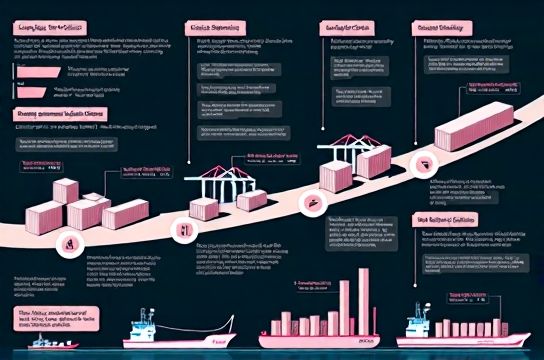
Let’s cut through the noise. The days of cheap, fast production in China are still here — but they’re not as reliable or cost-effective as they once were. Labor costs have risen by over 6% annually since 2020, and post-pandemic logistics bottlenecks haven’t fully disappeared. In fact, shipping a 40-foot container from Shanghai to Los Angeles now takes an average of 28 days — up from 18 in 2019 (source: UNCTAD Trade Logistics Report 2023).
But it’s not all doom and gloom. Let’s break down the real challenges and what smart brands are doing about them.
The Big 3 Supply Chain Issues in 2024
- Labor Shortages & Rising Wages: Coastal factories in Guangdong and Zhejiang are struggling to retain skilled seamstresses. Minimum wage hikes and migration to service jobs mean turnover rates hit 25% last year.
- Material Sourcing Delays: China imports nearly 40% of its high-end lace and elastic from Europe. Customs checks and EU export controls slowed deliveries by 2–4 weeks in Q1 2024.
- Sustainability Pressure: Global buyers demand greener practices, but only 30% of Chinese lingerie factories are ISO 14001 certified.
What the Data Tells Us
Here’s a snapshot of key metrics affecting lingerie production in China this year:
| Metric | 2022 | 2023 | 2024 (Q1-Q2) |
|---|---|---|---|
| Avg. Production Lead Time (weeks) | 6 | 7.5 | 9 |
| Monthly Wage (USD) - Skilled Worker | 620 | 680 | 720 |
| On-Time Delivery Rate (%) | 85% | 78% | 72% |
| Factories with Eco-Certifications | 22% | 26% | 30% |
Source: China National Textile & Apparel Council, 2024 Mid-Year Review
Smart Moves Brands Are Making
Leading lingerie brands aren’t just waiting around. Many are adopting a ‘China +1’ strategy — keeping some production in China while shifting 20–30% to Vietnam, Bangladesh, or even Turkey. Others are investing directly in factory upgrades to secure priority slots and improve sustainability compliance.
For smaller labels, the key is agility. Work with agents who have long-term relationships with Tier-2 suppliers. These factories often offer better communication, faster turnaround, and more flexibility than massive OEMs.
In short: the lingerie supply chain in China isn’t broken — it’s evolving. Adaptability, transparency, and strong partnerships are now your biggest assets.