Niche Brands Disrupting China's Lingerie Market
- 时间:
- 浏览:204
- 来源:CN Lingerie Hub
In recent years, China’s lingerie market has undergone a quiet revolution. Forget the days when Victoria’s Secret dominated headlines — today, it’s the rise of independent niche brands reshaping how Chinese women view comfort, beauty, and self-expression.
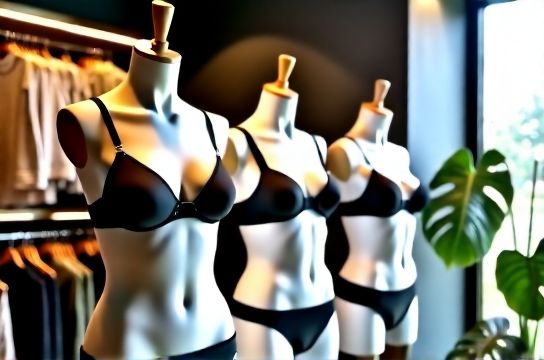
With e-commerce booming and social media platforms like Xiaohongshu (Little Red Book) and Douyin fueling discovery, agile startups are outmaneuvering giants by focusing on inclusivity, sustainability, and authentic storytelling. These brands aren’t just selling bras — they’re selling empowerment.
The Shift: From Glamour to Comfort
Gone are the days when push-up bras and lacey sets ruled. A 2023 McKinsey report revealed that 68% of Chinese female consumers prioritize comfort over aesthetics when choosing intimate apparel. That shift has opened doors for labels like Ubras and NEIWAI (内外), which champion minimalism, body positivity, and size inclusivity.
Take NEIWAI, for example. Founded in 2014, the brand started with simple cotton bralettes and now boasts over 5 million loyal customers. Their 2022 revenue hit $180 million — proof that authenticity sells.
Why Niche Brands Are Winning
- Hyper-localized designs: Understanding regional preferences, such as lighter fabrics for humid southern cities.
- Digital-first strategy: Leveraging KOLs and livestream commerce to drive engagement.
- Sustainability focus: Using recycled materials and eco-friendly packaging.
Meanwhile, global players have struggled to adapt. Victoria’s Secret exited mainland China with only 30 stores left in 2023, down from 74 at its peak.
Market Share Comparison (2023)
| Brand | Market Share (%) | Primary Audience Age | Key Selling Point |
|---|---|---|---|
| NEIWAI | 12% | 25–35 | Minimalist design, inclusivity |
| Ubras | 15% | 20–30 | No-wire innovation, comfort |
| Aimer | 9% | 30–45 | Traditional fit, wide retail presence |
| Victoria’s Secret | 4% | 18–25 | Luxury image, limited local appeal |
The Power of Community
Niche brands thrive on connection. Ubras launched a viral campaign titled “No Wire, No Worries” that sparked conversations about women’s freedom from societal pressures. The hashtag garnered over 800 million views on Weibo.
These brands don’t just respond to trends — they create them. By collaborating with female artists, body-positive influencers, and even psychologists, they’ve built ecosystems around wellness and identity.
What’s Next?
The future is inclusive, digital, and deeply personal. According to Statista, China’s lingerie market will reach $24 billion by 2025, with indie brands expected to control nearly 30% of it.
As AI-driven fit recommendations and AR virtual try-ons gain traction, niche players are poised to lead innovation. They’re not just disrupting — they’re redefining intimacy.