Rise of Body Positivity in Chinese Lingerie Ads
- 时间:
- 浏览:193
- 来源:CN Lingerie Hub
In recent years, a quiet revolution has been unfolding in China's fashion corridors—especially within the lingerie industry. Gone are the days when flawless, ultra-thin models dominated every billboard and social media ad. Instead, brands are embracing body positivity, reshaping beauty standards one campaign at a time.
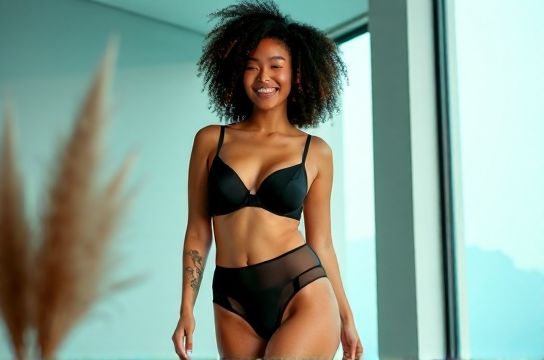
Take Neiyou (内外), one of China’s leading lingerie brands. In 2019, they launched their groundbreaking campaign “I Am Not a Goddess,” featuring real women with stretch marks, scars, and diverse body shapes. The message? Beauty isn’t about perfection—it’s about authenticity.
This shift isn’t just symbolic; it’s backed by data. According to a 2022 McKinsey report, 68% of Chinese female consumers aged 18–35 said they’re more likely to support brands that showcase realistic body types in advertising. That number jumps to 74% among Gen Z shoppers.
From Thin Ideals to Real Curves: A Cultural Shift
Traditionally, East Asian beauty ideals leaned heavily toward slimness, pale skin, and youthful features. But urbanization, rising feminism, and global digital exposure have sparked change. Platforms like Xiaohongshu (Little Red Book) and Weibo are flooded with influencers promoting self-love and size inclusivity.
Lingerie brands are listening. Aside from Neiyou, companies like NEIWAI Color, Ubras, and Tongtong Lingerie have all rolled out campaigns featuring plus-size models, older women, and even transgender individuals.
By the Numbers: Body-Positive Campaigns That Made an Impact
| Brand | Campaign Name | Year | Social Media Reach (Millions) | Sales Growth (Post-Campaign) |
|---|---|---|---|---|
| Neiyou | I Am Not a Goddess | <2019>120 | +45% | |
| Ubras | No Wire, No Limits | <2020>95 | +60% | |
| Tongtong | Love My Shape | <2021>78 | +38% | |
| NEIWAI Pink | Real Women, Real Stories | <2022>150 | +52% |
As the table shows, campaigns centered on realness don’t just win hearts—they boost sales. Ubras, known for its wire-free bras, saw a jaw-dropping 60% sales spike after their inclusive campaign went viral on Douyin (China’s TikTok).
Why It Matters: More Than Just Marketing
This isn’t just woke branding—it’s cultural evolution. In a society where mental health issues related to body image are rising (a 2023 Peking University study found 31% of young women reported anxiety over appearance), these ads serve as affirmations.
“When I saw a model with a C-section scar wearing a sheer bra, I cried,” shared Li Mei, a 34-year-old mother in Shanghai. “For once, I felt seen.”
The Road Ahead
Despite progress, challenges remain. Some traditional retailers still favor slim, conventionally attractive models. And while major cities like Beijing and Shanghai celebrate diversity, smaller towns may lag behind.
Yet the trend is undeniable. With Gen Z driving consumer culture and demanding authenticity, body-positive messaging will only grow louder. Experts predict that by 2026, over 80% of Chinese lingerie brands will feature size-inclusive models in at least one annual campaign.
In the end, it’s not just about selling bras. It’s about telling millions of women: You belong. Exactly as you are.”