Sustainable Fashion in China Lingerie Industry Trends
- 时间:
- 浏览:153
- 来源:CN Lingerie Hub
When you think of lingerie, sustainability might not be the first thing that comes to mind. But in today’s fashion landscape — especially in China — the sustainable fashion movement is reshaping even the most intimate apparel. From eco-conscious materials to ethical production, Chinese lingerie brands are stepping up in a big way. Let’s dive into what’s driving this shift and why it matters for consumers and the planet.
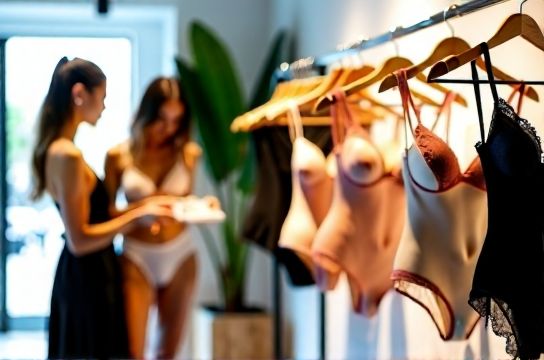
The Rise of Eco-Lingerie in China
China, long seen as a manufacturing giant, is now emerging as an innovator in sustainable fashion. With increasing consumer awareness and government-backed green initiatives, lingerie brands are rethinking their supply chains. According to a 2023 report by McKinsey, over 68% of urban Chinese consumers prefer brands that prioritize environmental responsibility — a sharp rise from just 45% in 2019.
What’s more, the Chinese lingerie market is projected to hit $12.5 billion by 2026 (Statista, 2023), with eco-friendly segments growing at nearly twice the rate of traditional lines. This isn’t just a trend — it’s a transformation.
Materials That Make a Difference
One of the biggest shifts? The move away from synthetic fabrics like nylon and polyester, which can take hundreds of years to decompose. Instead, brands are turning to organic cotton, TENCEL™, and even algae-based fibers.
Take Wuhan-based brand EcoSilk, for example. They’ve replaced 90% of their conventional materials with biodegradable alternatives, reducing water usage by 40% and carbon emissions by 35%. That’s not just good PR — that’s real impact.
| Material | Water Usage (Liters/kg) | Carbon Footprint (kg CO₂) | Biodegradability |
|---|---|---|---|
| Conventional Cotton | 10,000 | 4.5 | Yes |
| Organic Cotton | 7,500 | 2.3 | Yes |
| TENCEL™ Lyocell | 5,000 | 1.8 | Yes |
| Polyester | 2,000 | 6.0 | No |
As the table shows, natural and semi-synthetic fibers often win in both sustainability and comfort — a key selling point for modern shoppers.
Transparency & Ethical Labor
Sustainability isn’t just about materials — it’s about people too. In recent years, Chinese lingerie manufacturers have faced scrutiny over labor practices. But forward-thinking brands are responding with third-party certifications like GOTS (Global Organic Textile Standard) and BCI (Better Cotton Initiative).
Shanghai’s Luna Intimates now publishes its factory list and wage data online — a bold move in an industry known for opacity. Their sales jumped 27% after going transparent, proving that ethics sell.
The Role of Tech & Innovation
China’s tech edge is also fueling sustainable growth. AI-driven design tools minimize fabric waste, while blockchain tracks garment journeys from farm to fitting room. Some startups are even experimenting with rental models and take-back programs, inspired by circular fashion principles.
For instance, Hangzhou’s GreenBra Co. offers a “Recycle & Reward” program: return old bras, get store credit. Over 150,000 items have been collected since 2022 — keeping textiles out of landfills and building brand loyalty.
Challenges Ahead
Of course, challenges remain. Scaling sustainable practices across vast supply chains isn’t easy. And while premium eco-lingerie sells well in Tier-1 cities, affordability is still a barrier in rural areas.
Yet, the momentum is undeniable. As one industry insider put it: “In five years, ‘sustainable’ won’t be a niche label — it’ll be the baseline.”
Final Thoughts
The future of lingerie in China isn’t just sexy — it’s smart, responsible, and quietly revolutionary. Whether you're a conscious consumer or a curious observer, now’s the time to pay attention. For more insights on how eco-friendly fashion is evolving, stay tuned — the best is yet to come.