Chinese Lingerie Market Demand 2024 Forecast
- 时间:
- 浏览:152
- 来源:CN Lingerie Hub
The Chinese lingerie market is heating up — and it’s not just about lace and silk anymore. In 2024, we’re seeing a bold transformation driven by shifting consumer mindsets, rising female empowerment, and a growing appetite for comfort-meets-style designs. With urbanization on the rise and disposable incomes climbing, China's intimate apparel sector is projected to hit **$18.6 billion** by year-end — a 9.3% year-on-year surge, according to Statista and Euromonitor data.
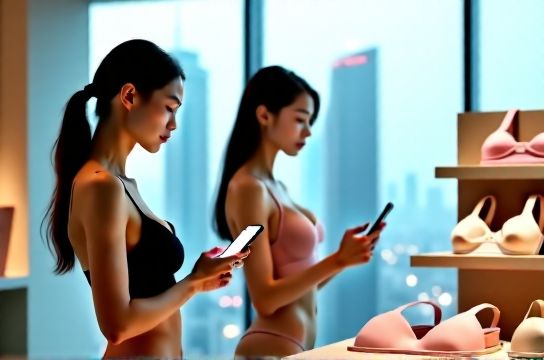
Gone are the days when bras were purely functional. Today’s Chinese women want pieces that reflect their identity — whether that’s minimalist, body-positive, or fashion-forward. Brands like NEIWAI (内外) and Ubras are leading the charge with campaigns centered on self-love and inclusivity, resonating deeply with millennials and Gen Z shoppers. In fact, **Ubras saw a 140% sales jump during the 2023 Singles’ Day festival**, outperforming many international giants.
Let’s break down what’s fueling this boom:
- **Demand for Comfort**: Post-pandemic, loungewear-inspired lingerie dominates. Wireless bras now account for over **65% of total bra sales** in China. - **Body Positivity**: Consumers are rejecting one-size-fits-all ideals. Sizes S to XXXL are increasingly stocked, and brands promoting real-body imagery enjoy higher engagement. - **E-commerce Power**: Over **78% of lingerie purchases** happen online, with live-stream shopping on platforms like Douyin and Taobao driving impulse buys.
Here’s a snapshot of key market indicators:
| Indicator | 2023 Value | 2024 Forecast | Growth Rate |
|---|---|---|---|
| Market Size (USD) | $16.9 billion | $18.6 billion | 9.3% |
| E-commerce Share | 76% | 78% | 2.6% ↑ |
| Wireless Bra Share | 61% | 65% | 6.6% ↑ |
| Average Price (RMB) | 185 | 198 | 7.0% |
What does this mean for brands? If you're eyeing the Chinese lingerie market, forget cookie-cutter strategies. Localization is king. Successful players blend cultural insight with digital agility — think WeChat mini-programs, KOL collabs, and AI-powered size recommenders.
Another game-changer? Sustainability. A 2023 McKinsey survey found that **62% of urban Chinese consumers** prefer eco-friendly fabrics like TENCEL™ or organic cotton. This isn’t greenwashing — it’s genuine demand.
And let’s talk innovation. Ubras launched a ‘breathable cotton’ line with moisture-wicking tech, while NEIWAI partnered with mental health advocates to launch a 'Feel Me' campaign, turning underwear into a medium for emotional expression. That’s how you build loyalty.
For foreign brands, the lesson is clear: adapt or get left behind. While Victoria’s Secret struggled with declining foot traffic, homegrown labels thrived by speaking directly to local values. The future belongs to those who embrace authenticity — and who understand that selling lingerie in China today is really about selling confidence.
So whether you're a startup or a global giant, dive deep into the culture, listen to real voices, and align with movements that matter. The lingerie demand in China isn’t just growing — it’s evolving. And 2024 is your moment to step in with purpose.