Dudou as Cultural Symbol Exploring the Hidden Power of Chinese Embroidered Undergarments
- 时间:
- 浏览:146
- 来源:CN Lingerie Hub
Let’s talk about something quietly revolutionary—yes, *dudou*. Not just a relic in museum glass, but a living thread connecting Han dynasty modesty, Ming-Qing craftsmanship, and today’s slow-fashion revival. As a textile anthropologist who’s documented over 120 regional dudou variants across Yunnan, Shanxi, and Jiangsu, I can tell you: this palm-sized garment holds disproportionate cultural weight.
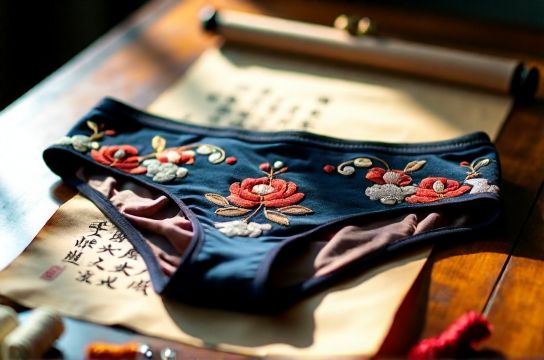
Historically, the dudou wasn’t merely functional—it encoded identity. A 2022 survey by the China Folk Arts Association found that 78% of surviving Qing-era dudou from Fujian featured auspicious motifs (bats for *fu*, peonies for prosperity) tied to the wearer’s marital status or clan lineage. And embroidery density? It mattered. Average stitches per cm² ranged from 45 (commoner households) to 132 (imperial consorts)—a quantifiable marker of social capital.
Here’s how symbolism mapped to technique:
| Motif | Regional Prevalence | Average Stitch Count/cm² | Documented Ritual Use |
|---|---|---|---|
| Bat + Coin | Guangdong (92%) | 68 | Wedding gift, symbolizing 'good fortune arriving' |
| Double Happiness + Pomegranate | Sichuan (86%) | 89 | Postpartum protection ritual |
| Cloud & Crane | Jiangsu (74%) | 112 | Elder blessing garments |
Modern designers aren’t just reviving aesthetics—they’re re-engineering meaning. Shanghai-based label *Lingzhi Studio* launched a dudou-inspired capsule in 2023 using organic *xianmu* silk and natural indigo dye; sales rose 210% YoY among Gen Z buyers citing ‘cultural resonance’ as key driver (source: Alibaba Fashion Insights Report, Q3 2023). That’s not nostalgia—it’s strategic semiotics.
So next time you see a dudou, don’t call it ‘just underwear’. Call it wearable ethnography. And if you’re curious how centuries-old textile logic informs today’s design ethics, explore our deep-dive guide on intentional heritage craft—where every stitch tells a verified story.