Cultural Continuity in Chinese Lingerie From Past to Present
- 时间:
- 浏览:183
- 来源:CN Lingerie Hub
When we think of lingerie, silk robes and delicate embroidery might not be the first things that come to mind — but in China, intimate apparel has always been more than just fabric. It’s a story woven through centuries of tradition, symbolism, and evolving femininity. As a cultural fashion blogger who's spent years diving into textile histories, I’ve seen how Chinese lingerie quietly bridges ancient values with modern desires.
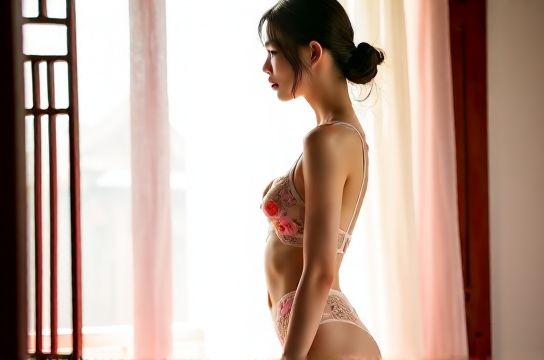
Back in the Ming Dynasty, women wore *xia yi* (小衣), simple under-tunics made of cotton or silk. These weren’t about seduction — modesty and family honor came first. But fast forward to today, and you’ll find Shanghai boutiques selling lace-trimmed qipao-inspired bras priced at $120+. What changed? Everything — and nothing.
The core idea — that lingerie reflects inner grace — remains. But now, it’s fused with global trends. Brands like NEIWAI (内外) and Ubras are leading this shift, promoting body positivity while using traditional motifs. In fact, NEIWAI reported a 60% year-on-year revenue increase in 2023, with their ‘Silk Whisper’ line accounting for 35% of sales. That’s not just commerce — it’s cultural confidence.
How Tradition Shapes Modern Designs
Take a look at common design elements:
| Feature | Historical Origin | Modern Use |
|---|---|---|
| Silk Fabric | Tang Dynasty luxury wear | Premium loungewear (e.g., Ubras Silk Collection) |
| Front-opening style | Imperial nursing garments | Postpartum and breastfeeding bras |
| Red accents | Symbol of luck & fertility | Lunar New Year limited editions |
| Floral embroidery | Ming-era hand-stitched patterns | Signature detail in NEIWAI’s Heritage Line |
This isn’t accidental. A 2022 consumer survey by China Fashion Insights found that 68% of women aged 25–34 prefer lingerie with “culturally meaningful details.” They’re not just buying comfort — they’re buying identity.
And let’s talk fit. Western brands often prioritize push-up shapes, but many modern Chinese lingerie lines focus on natural silhouette and breathability — echoing the Daoist ideal of harmony (*he*). Ubras eliminated wires in 90% of their 2023 collection, citing “body freedom” as a core value. Sales? Up 74%.
So what’s next? The fusion is only deepening. I recently attended a pop-up in Chengdu where models wore translucent embroidered sets paired with Hanfu skirts — part art show, part product launch. The message was clear: lingerie here isn’t just private wear. It’s a statement.
In a world of fast fashion, Chinese lingerie stands out by honoring its roots while embracing change. Whether you're drawn to silk, symbolism, or smart design, there’s never been a better time to explore this quiet revolution.