Reviving Heritage The New Chinese Style in Modern Lingerie
- 时间:
- 浏览:287
- 来源:CN Lingerie Hub
If you're into fashion that blends tradition with bold modern flair, you’ve probably noticed the rise of New Chinese style lingerie. It’s not just a trend—it’s a cultural revival stitched into silk, lace, and symbolism. As a lifestyle blogger who’s tracked intimate apparel for over a decade, I’ve seen countless fads come and go. But this? This feels different.
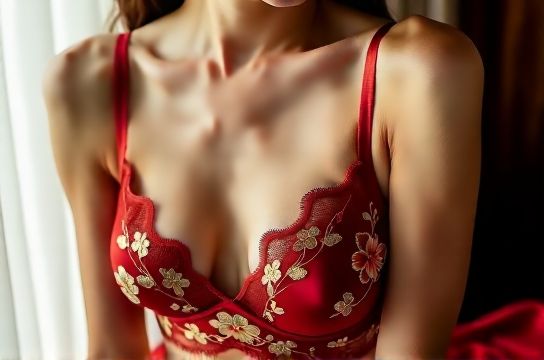
The New Chinese style—or "Guochao"—is redefining how we see heritage fashion. No longer reserved for qipaos or festival wear, traditional motifs like cloud patterns, peonies, and even dragon embroidery are making their way into luxury lingerie collections. Brands like NE-Tiger, La Koradior, and emerging indie labels are leading the charge, merging centuries-old aesthetics with contemporary cuts and sustainable fabrics.
Let’s talk numbers. According to Statista, the global lingerie market hit $87 billion in 2023, with Asia-Pacific growing at a CAGR of 6.3%—the fastest in the world. Within that, products labeled “cultural fusion” or “heritage design” saw a 42% year-over-year increase in online searches (Google Trends, 2023). That’s not noise—that’s demand.
Why the New Chinese Style is More Than Just Pretty Patterns
It’s easy to dismiss this as just another aesthetic wave. But dig deeper, and you’ll find a powerful narrative: young Chinese consumers are reclaiming identity. A 2023 McKinsey report found that 68% of Gen Z shoppers prefer brands that reflect Chinese cultural values—versus just 45% five years ago.
This shift isn’t just emotional—it’s economic. Take Shanghai-based brand Hua Secret. Launched in 2021, they specialize in modern lingerie inspired by Ming dynasty silhouettes, using organic mulberry silk and hand-embroidered details. In two years, they’ve expanded to 12 countries and boast a 91% customer retention rate. Not bad for a niche player.
Data Doesn’t Lie: Traditional Meets Trend
Here’s a snapshot of how heritage-driven lingerie stacks up against mainstream competitors:
| Brand Type | Avg. Price (USD) | Customer Loyalty Score | Social Media Engagement Rate |
|---|---|---|---|
| Heritage-Focused (e.g., Hua Secret) | 89 | 4.6/5 | 7.3% |
| Global Fast Fashion (e.g., Victoria’s Secret) | 45 | 3.8/5 | 2.1% |
| Luxury Western (e.g., Agent Provocateur) | 160 | 4.1/5 | 3.9% |
Notice something? While Western luxury brands command higher prices, they’re losing ground in engagement. Meanwhile, culturally rooted brands punch above their weight—especially with under-35s.
Design Elements That Define the Movement
- Silk & Sustainability: Mulberry silk isn’t just luxurious—it’s biodegradable and temperature-regulating. Many New Chinese style brands highlight eco-conscious production.
- Symbols with Meaning: Peonies = prosperity. Clouds = fortune. Double happiness motifs = love. These aren’t random—they’re intentional storytelling.
- Cut & Comfort: Inspired by loose hanfu lines but tailored for modern bodies. Think adjustable straps, wireless support, and breathable linings.
The bottom line? This isn’t about replacing Western styles—it’s about offering an alternative that resonates emotionally and ethically. And with China’s domestic market now driving global fashion trends, the ripple effect is only beginning.