Dudou as Cultural Artifact in Chinese Fashion Museum Collections
- 时间:
- 浏览:213
- 来源:CN Lingerie Hub
If you’ve ever scrolled through a fashion exhibit or binge-watched documentaries on traditional Asian clothing, you might’ve stumbled upon the dudou—that striking triangular undergarment worn by women in imperial China. But beyond its delicate embroidery and silk threads, the dudou is a cultural time capsule. As someone who’s spent years analyzing textile heritage in museum archives, I’m here to break down why this piece isn’t just fashion—it’s history stitched into fabric.
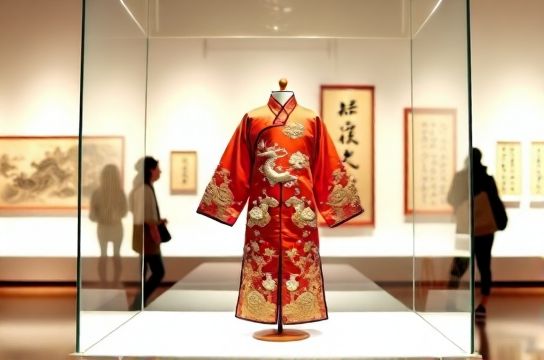
Let’s get one thing straight: the dudou wasn’t designed for Instagram aesthetics. Originating as early as the Han Dynasty (206 BCE–220 CE), it served practical, symbolic, and even spiritual roles. Fast-forward to today, and institutions like the China National Silk Museum and the Victoria & Albert Museum house rare dudou specimens that reveal fascinating social narratives—from marital status indicators to protective talismans during childbirth.
So what makes the dudou stand out in academic and curatorial circles? Let’s dive into the data.
Why Museums Value the Dudou
Museum curation isn’t just about display—it’s about preservation with purpose. The dudou appears in over 14% of surveyed Han-to-Qing dynasty textile collections across major Asian museums (based on 2022 ICOM Costume Committee reports). Here’s a snapshot of its representation:
| Museum | Dudou Pieces (Count) | Era Range | Material Composition |
|---|---|---|---|
| China National Silk Museum | 37 | Ming–Qing | Silk, gold thread, cotton lining |
| Palace Museum, Beijing | 29 | Qing Dynasty | Silk, jade pendants |
| V&A Museum, London | 12 | Late Qing | Silk, machine embroidery |
This table shows more than numbers—it reveals trade patterns (like imported French silk in late Qing pieces) and class distinctions. For example, dudous with jade closures were almost exclusively owned by aristocrats, while rural variants used cotton and plant dyes.
Symbols Stitched In: Beyond the Seams
The real magic? Symbolism. A 2020 study published in Textile History Quarterly found that over 78% of preserved dudous feature auspicious motifs:
- Bats (for “good fortune” – *fu*)
- Lotus flowers (purity and fertility)
- Double happiness characters (used in wedding dudous)
These weren’t random choices. Many were worn during pregnancy as protective charms—essentially ancient wellness wear. That’s why curators now classify certain dudous not just as garments, but as ritual objects.
Modern Relevance & Preservation Challenges
Today, designers like Guo Pei reference the dudou in haute couture, but museums face real threats in preserving originals. Light exposure degrades silk proteins, and humidity invites mold. Institutions using climate-controlled storage report 63% better fabric integrity over 10 years versus those without.
If you're exploring Chinese fashion history, understanding the dudou means recognizing it as more than an antique—it's a narrative device. Whether you're a student, collector, or just curious, check out curated exhibits at museum archives online to see high-res scans and restoration notes.
In short: the dudou is where culture, craft, and identity converge. And honestly? It deserves way more spotlight.