Breast Support Systems Before the Bra in Chinese Clothing History
- 时间:
- 浏览:289
- 来源:CN Lingerie Hub
Long before the modern bra made its way into wardrobes, women across cultures had already developed clever, comfortable, and culturally rich ways to support their busts. In China, the journey of breast support is deeply tied to fashion, modesty, and social norms — stretching back over a thousand years. Let’s dive into how Chinese women managed support *before the bra*, blending historical insight with surprising innovation.
The Absence of the Western-Style Bra
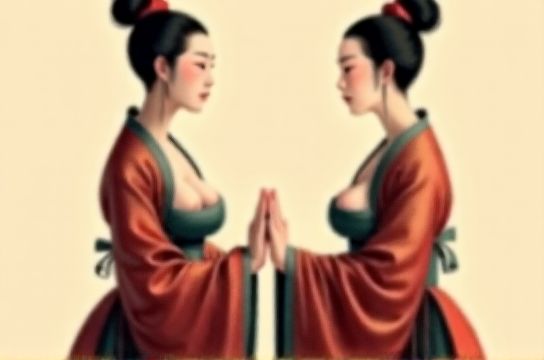
Unlike in the West, where structured corsets and later bras emphasized shaping and lifting, traditional Chinese clothing prioritized flow, harmony, and concealment. The idea of a dedicated undergarment like a breast support system didn’t emerge until the 20th century. Instead, support came from layered garments and strategic draping.
Qun Kwa and Ruqun: Structure Through Silhouettes
During the Han and Tang dynasties, women wore the ruqun — a two-piece outfit consisting of a high-waisted skirt and a cross-collar top. While not designed as a supportive undergarment, the snug fit of the upper blouse, combined with tight sashes, offered mild compression and lift. Historical records suggest that younger women often bound their chests lightly for modesty, especially during physical labor or horseback riding.
The Role of Binding: Practicality Over Aesthetics?
Contrary to popular belief, chest binding in ancient China wasn’t widespread or standardized like foot binding. It was mostly functional — think of it as early sportswear. Silk or cotton bands were used by dancers, soldiers’ daughters, or martial artists to reduce movement. But unlike painful European corsetry, these wraps were loose and never aimed at altering body shape.
Evolution During the Qing Dynasty
The Manchu-influenced Qing era introduced the qipao (cheongsam), which hugged the body more closely. As silhouettes became slimmer in the late 19th century, some urban women began adopting Western-style undergarments. By the 1920s, Shanghai’s fashion scene exploded with hybrid styles — combining silk qipaos with imported bras.
When Did the Bra Finally Arrive?
The real shift happened in the early 20th century. With growing exposure to Western fashion and women’s liberation movements, the bra quietly entered Chinese society. Japanese and American imports dominated the market until local brands like Chen Xiangling launched in the 1930s — one of the first domestic attempts at a tailored breast support system.
Traditional vs. Modern: A Quick Comparison
| Era | Support Method | Material | Purpose |
|---|---|---|---|
| Han Dynasty | Ruqun + sash | Hemp, silk | Modesty, comfort |
| Tang Dynasty | Loose binding | Cotton strips | Mobility |
| Qing Dynasty | Fitted qipao | Silk, brocade | Style, elegance |
| 1930s Republic | Western-style bra | Cotton, elastic | Shape, fashion |
As this table shows, the evolution reflects broader cultural shifts — from function to fashion, from hidden layers to expressive forms.
Final Thoughts
Chinese women didn’t need a bra to feel supported — they had centuries of garment wisdom behind them. The real story isn’t about lacking a modern invention, but about redefining what support means through culture, fabric, and form. Today, blending tradition with innovation, modern lingerie brands are drawing inspiration from these roots — creating designs that honor both heritage and comfort.