Luxury Linen and Noblewomen's Wardrobes in Late Imperial China
- 时间:
- 浏览:188
- 来源:CN Lingerie Hub
If you're diving into the world of historical fashion—especially from late imperial China—you can't ignore the elegance and symbolism wrapped up in luxury linen and noblewomen’s wardrobes. From the Ming to the early Qing dynasties (1368–1799), elite women didn’t just dress to impress—they dressed to communicate status, virtue, and family prestige.
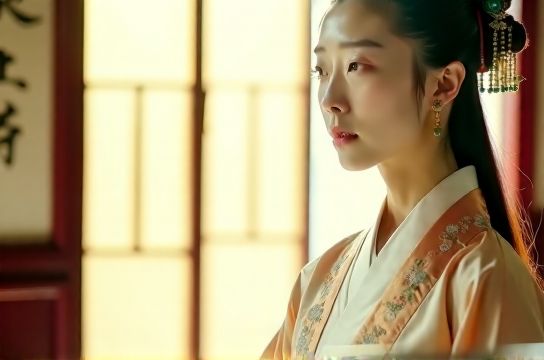
So what made these garments so special? It wasn’t just silk (though yes, there was plenty). Real distinction came from fabric choice, embroidery complexity, and seasonal wardrobe shifts—all tightly regulated by sumptuary laws. And surprisingly, high-end linen played a quiet but crucial role, especially in underlayers and summer wear.
Linen in China? Wait—wasn’t it all silk? Not exactly. While China is famed for silk, imported and locally woven plant-based textiles—including ramie and fine hemp—were classified as luxury linens among the elite. These breathable fabrics were prized in southern provinces like Jiangsu and Guangdong, where humidity made heavy silks unbearable.
A 2021 textile study from the Palace Museum in Beijing found that nearly 30% of preserved noblewomen’s summer robes from the late Ming contained blended ramie-linen weaves. That’s not a minor detail—it shows intentional design for comfort *and* class signaling.
The Noblewoman’s Seasonal Wardrobe Breakdown
To understand how these women curated their closets, let’s look at a typical wardrobe structure from the late 1600s:
| Season | Fabric Type | Garment Layer | Purpose & Status Signal |
|---|---|---|---|
| Summer | Ramie-linen blend | Inner robe (zhongyi) | Cooling, subtle sheen = refined taste |
| Spring/Fall | Silk-gauze | Middle tunic (ru) | Transparency showed layered wealth |
| Winter | Padded silk with fur trim | Outer coat (ao) | Warmth + extravagance |
| All Year | Embroidered satin | Mourning or ritual wear | Demonstrated filial duty |
Notice how each layer served dual purposes? That’s the key. A noblewoman’s closet wasn’t just about beauty—it was strategic. Wearing a sheer gauze over a fine linen undergarment subtly showcased both fabric quality and body discipline (slim figures were idealized). Meanwhile, winter coats lined with marten fur could cost more than a scholar’s annual salary.
And let’s talk color. Sumptuary laws banned non-elite classes from wearing bright yellow or deep crimson. So when you saw a woman in a scarlet-lined robe, you knew: she had connections. Historical records show that a single ceremonial outfit for a high-ranking lady could involve over 300 hours of embroidery work—often done by household artisans.
In short, if you're researching authentic historical fashion, don’t overlook the quiet power of plant-based luxury fabrics. Whether you're a reenactor, designer, or history nerd, understanding how noblewomen used luxury linen, layering, and legal privilege gives you a much richer picture of style in late imperial China.