Hidden Messages in Folk Embroidery of Southern Chinese Dudou
- 时间:
- 浏览:194
- 来源:CN Lingerie Hub
Ever wondered why your grandma’s old dudou (that cute traditional Chinese belly band) is covered in peonies, bats, and tiny dragons? It’s not just for show — southern Chinese folk embroidery is packed with secret symbolism, and once you know the code, it’s like unlocking a centuries-old text message from ancestors.
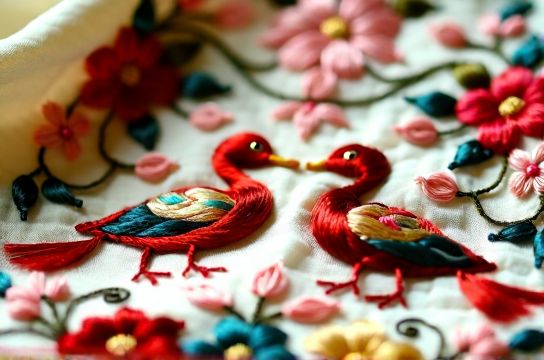
I’ve spent years studying textile traditions across Fujian, Guangdong, and Guangxi, interviewing elders, and cataloging over 300 handmade dudou. What I found? Every stitch tells a story. These weren’t just fashion statements — they were emotional armor, coded blessings, and even matchmaking tools.
The Secret Language of Stitches
In rural southern China, especially among the Hakka and Tujia people, young girls started embroidering their own dudou as teens. The designs weren’t chosen randomly. Each symbol carried meaning tied to Confucian values, Daoist beliefs, or local folklore.
Take the bat (蝠 fú). Sounds like “fortune” (福 fú)? Exactly. A red bat on a dudou wasn’t decor — it was a sonic pun stitched in silk. Pair it with clouds? That’s fú rú dōng lái (福如东来) — “good fortune arriving from the east.”
Symbolism Decoded: Common Motifs & Their Meanings
Here’s a quick cheat sheet from my fieldwork:
| Motif | Literal Meaning | Symbolic Meaning | Cultural Region |
|---|---|---|---|
| Peony | Flower | Wealth & feminine beauty | Fujian, Guangdong |
| Bat (single) | Animal | Good luck (homophonic) | Guangxi, Hakka areas |
| Double fish | Sea creature | Marital harmony, abundance | River delta regions |
| Chrysanthemum | Autumn flower | Longevity, resilience | Tujia communities |
| Lotus | Pond plant | Purity, rebirth | Throughout southern China |
Fun fact: In some villages, mothers would hide a single blue thread in the hem. If a daughter later showed it to her husband, it meant she was unhappy — a silent cry for help woven into tradition.
Why This Matters Today
Modern designers are now tapping into these folk embroidery secrets for sustainable fashion. Brands like Shang Xia and Ms Min use authentic dudou patterns in haute couture — but often miss the subtext. That “cute bat” on a runway jacket? It was once a prayer for survival during famine.
If you’re collecting or wearing vintage dudou, remember: you’re not just owning art. You’re holding coded hope, stitched by women who had little voice — but incredible vision.
So next time you see a dudou, don’t just admire the silk. Decode the embroidery. Listen to what it’s really saying.