Lingerie as Expression in Contemporary Chinese Society
- 时间:
- 浏览:222
- 来源:CN Lingerie Hub
In today’s China, lingerie is no longer just about function—it's fashion, freedom, and fearless self-expression. What was once tucked away in drawers is now stepping boldly into the spotlight, reflecting a cultural shift that’s as stylish as it is significant.
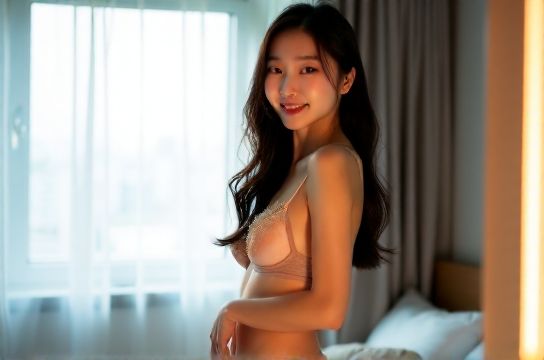
Gone are the days when underwear meant plain cotton bras and modesty above all. With rising disposable incomes, global fashion influence, and a booming e-commerce scene, Chinese women—especially Gen Z and Millennials—are redefining what lingerie means. It’s not just for romance or hidden beneath clothes; it’s a statement piece, a confidence booster, and even a form of rebellion against traditional norms.
According to a 2023 report by Statista, China’s intimate apparel market reached over $18 billion USD, with an annual growth rate of nearly 9%. The rise of homegrown brands like NEIWAI (内外) and Ubras has been pivotal. These brands focus on comfort, inclusivity, and body positivity—values that resonate deeply with modern consumers.
Take NEIWAI, for example. Since its launch in 2012, it’s grown into a cult favorite by championing slogans like “Real Me, Real Comfort” and featuring unretouched models of diverse body types. In 2022, the brand reported over 1.5 million active customers and expanded to international markets, including the U.S. and Europe.
But it’s not just about brands. Social media platforms like Xiaohongshu (Little Red Book) and Douyin (China’s TikTok) have turned lingerie styling into a viral trend. Hashtags like #MyLingerieStyle and #ComfortOverCouture rack up millions of views, with users sharing everything from WFH loungewear looks to bold lace ensembles worn as outerwear.
To understand this evolution, let’s break down key trends shaping the landscape:
Trends Reshaping Lingerie Culture in China
| Trend | Description | Brand Example | Market Impact |
|---|---|---|---|
| Comfort-Centric Design | Wire-free bras, breathable fabrics, gender-neutral styles | Ubras, NEIWAI | 70% of online sales in 2023 |
| Lingerie as Outerwear | Sheer mesh tops, bralettes with blazers | Misbhv, Smiley Bar | Up 45% YOY on fashion platforms |
| Body Positivity | Extended sizing (up to XXL), real-body campaigns | NEIWAI, Pantyseca | 68% increase in plus-size searches |
| Sustainability | Organic cotton, recycled lace, eco-packaging | Curél (by Kao), Linjer | 32% of consumers willing to pay more |
This isn’t just a fashion wave—it’s a social movement. For decades, Chinese society emphasized modesty and conformity, especially for women. Now, choosing a red lace set or posting a bralette selfie is quietly revolutionary. It’s about owning your body, your choices, and your voice.
Of course, challenges remain. Some older generations still view bold lingerie as inappropriate, and censorship on platforms can limit how brands market certain styles. Yet, the momentum is undeniable. As urbanization grows and gender equality conversations deepen, lingerie becomes more than fabric—it becomes identity.
In cities like Shanghai and Chengdu, pop-up lingerie cafes and art exhibits blend fashion with feminism. One recent exhibition, “Uncovered: Voices Underneath”, featured personal stories from over 100 women about their relationship with undergarments—ranging from first bras to post-surgery recovery wear. It wasn’t just art; it was activism.
So, what’s next? Expect smarter designs (hello, temperature-regulating fabrics!), more inclusive marketing, and perhaps even lingerie lines tailored for non-binary and LGBTQ+ communities. The future of lingerie in China isn’t just sexy—it’s soulful, sustainable, and unapologetically real.
In a world where every stitch tells a story, Chinese women are finally writing their own. And honestly? We’re here for it.