How Social Changes Shape Lingerie Preferences
- 时间:
- 浏览:242
- 来源:CN Lingerie Hub
Let’s be real—lingerie isn’t just about looking hot (though, let’s face it, that’s part of the fun). Over the past few decades, what we wear underneath has evolved in ways that mirror bigger social shifts. From women’s rights to body positivity and digital culture, societal changes are quietly but powerfully reshaping lingerie preferences—and brands are scrambling to keep up.
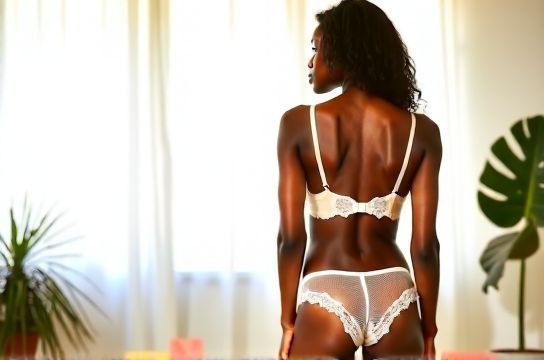
The Feminist Wave: From Conformity to Comfort
Gone are the days when a 'good' bra meant squeezing into something uncomfortable just to fit beauty standards. The rise of feminism, especially third- and fourth-wave movements, emphasized bodily autonomy. Women started asking: Why should I suffer for fashion?
A 2023 survey by NPD Group found that 68% of women aged 18–34 now prioritize comfort over traditional shaping or push-up features. Brands like Savage X Fenty and ThirdLove have capitalized on this, promoting inclusive sizing and soft, breathable fabrics.
Body Positivity: Size Inclusivity Goes Mainstream
Remember when plus-size mannequins were rare? Now, they’re front and center. The body positivity movement pushed the fashion industry—lingerie included—to embrace diversity.
Check out how brand representation has changed:
| Brand | Max Band Size (2010) | Max Band Size (2023) | Ad Campaign Diversity Score* |
|---|---|---|---|
| Victoria's Secret | 38 | 44 | 6.2 / 10 |
| Curvy Kate | 36 | 46 | 9.1 / 10 |
| Playful Promises | N/A | 42 | 9.5 / 10 |
*Diversity score based on racial, size, and gender identity representation in campaigns (source: Fashion Monitor, 2023).
This shift isn’t just ethical—it’s profitable. The global plus-size lingerie market is projected to hit $12.7 billion by 2027 (Statista), proving inclusivity sells.
Digital Culture & Social Media: The Influencer Effect
Instagram, TikTok, and YouTube aren’t just for cat videos—they’ve become virtual fitting rooms. Influencers sharing unfiltered try-ons and honest reviews have dethroned glossy magazine ads.
A study by GlobalWebIndex showed that 57% of Gen Z consumers trust influencer opinions more than traditional ads when buying lingerie. That’s huge. It means authenticity beats airbrushing every time.
Brands now partner with micro-influencers who champion real bodies. Savage X Fenty’s runway shows stream globally, featuring models of all shapes, sizes, and gender expressions—making waves and sales.
LGBTQ+ Visibility: Redefining What Lingerie Is For
Lingerie isn’t just for cisgender women anymore. As LGBTQ+ rights gain momentum, brands are expanding definitions. Trans and non-binary individuals want options that affirm their identities.
Enter TomboyX and Dear Marilyn, offering binders, mastectomy bras, and gender-neutral designs. According to The Nectar Tribe, searches for "trans-friendly lingerie" grew by 200% from 2020 to 2023.
This isn’t niche—it’s necessity. And smart brands are listening.
Sustainability: Sexy Meets Ethical
With climate change dominating headlines, eco-consciousness has seeped into intimate apparel. Consumers want sexy and sustainable.
Organic cotton, recycled lace, biodegradable packaging—these aren’t buzzwords; they’re expectations. A 2022 McKinsey report revealed that 61% of shoppers consider sustainability when buying lingerie.
Brands like Pact and Ewa Michalak use eco-materials without sacrificing style. Even luxury labels are jumping in—Stella McCartney Lingerie runs entirely on recycled fibers.
The Bottom Line
Lingerie is no longer just a closet essential—it’s a cultural statement. As society evolves, so do our undies. From comfort-first cuts to inclusive designs and eco-minded materials, today’s lingerie reflects a world where self-expression, identity, and ethics matter as much as aesthetics.
So next time you're shopping, remember: your choice of lingerie isn’t just personal—it’s political, powerful, and perfectly on trend.