Aesthetic Rebellion in Chinese Youth Lingerie Trends
- 时间:
- 浏览:186
- 来源:CN Lingerie Hub
In the neon-lit streets of Shanghai and the art alleys of Beijing, a quiet revolution is unfolding—one stitched in silk, lace, and bold self-expression. Forget the demure whites and functional cotton sets of yesteryear; today’s Chinese youth are redefining lingerie as a canvas for identity, rebellion, and unapologetic beauty.
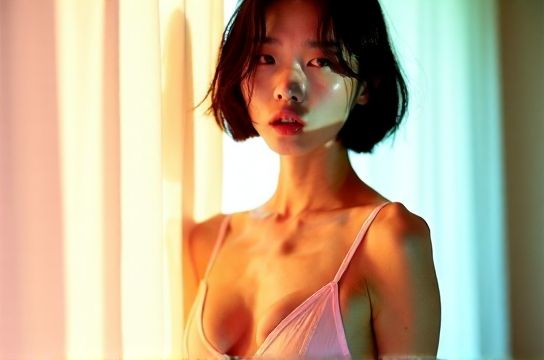
This isn’t just about fashion—it’s a cultural shift. As Gen Z takes center stage, lingerie in China has transformed from a private necessity into a public statement. And it’s not just Western brands leading the charge. Homegrown labels like NEIWAI (内外), Ubras, and Smara are fusing minimalist aesthetics with feminist undertones, creating pieces that whisper empowerment instead of seduction.
Take NEIWAI’s 2023 ‘No Body is Nobody’ campaign—featuring real women of all shapes, sizes, and skin tones. It wasn’t just inclusive; it was disruptive. The campaign boosted sales by 40% in Q1 and racked up over 50 million views on social media. That’s not virality—that’s resonance.
So what’s driving this aesthetic rebellion? Let’s break it down.
The Data Behind the Shift
A 2023 McKinsey report revealed that 68% of Chinese women aged 18–30 now prioritize comfort and self-expression over traditional notions of 'feminine allure' in intimate apparel. Meanwhile, the Chinese lingerie market hit ¥127 billion ($17.8 billion) in revenue last year, with youth-driven brands capturing nearly 35% of the pie.
| Brand | 2023 Revenue Growth | Gen Z Market Share | Key Aesthetic |
|---|---|---|---|
| NEIWAI | +42% | 38% | Minimalist, Gender-neutral |
| Ubras | +55% | 41% | Comfort-tech, Seamless |
| Smara | +33% | 29% | Luxury Lace, Artistic |
| Victoria's Secret (China) | -12% | 14% | Traditional Glamour |
Notice a trend? The old guard is slipping while homegrown, values-driven brands surge. Victoria’s Secret, once the symbol of aspirational glamour, is now seen by many young Chinese consumers as outdated—too sexualized, too rigid in its beauty standards.
Rebellion in Every Seam
What makes this movement truly radical is how it challenges deep-seated norms. In a culture where discussing the body—even one’s own—was long considered taboo, wearing a sheer mesh bralette under a sheer blouse isn’t just trendy. It’s political.
Social media fuels this. On Xiaohongshu (China’s answer to Instagram), hashtags like #MyLingerieMyRules and #NoMoreInvisibleUnderwear have millions of posts. Users share photos not to titillate, but to celebrate autonomy. One viral post read: 'I wear red lace because I feel powerful—not because I want someone to notice.'
And let’s talk color. While pastel pinks and nudes once dominated, bold reds, blacks, and even metallics are now symbols of defiance. Red, especially, carries dual meaning—traditionally auspicious, now also a badge of confidence.
The Future is Unscripted
This isn’t a passing fad. The new Chinese lingerie ethos blends wellness (think breathable organic cotton), gender fluidity (unisex lines are rising), and digital integration (AR fitting rooms, anyone?).
As one 24-year-old designer in Chengdu put it: 'We’re not rebelling against modesty—we’re redefining it. Modesty isn’t hiding your body. It’s respecting it.'
So next time you see a young woman in Beijing stepping out in a lace-trimmed blazer with her bra proudly visible—you’re not just seeing fashion. You’re witnessing freedom, stitched one delicate strap at a time.