Silk Secrets The Cultural Depth of Chinese Lingerie
- 时间:
- 浏览:200
- 来源:CN Lingerie Hub
When you think of lingerie, Paris or Milan might come to mind—but what about Suzhou? Hidden in the folds of silk robes and delicate embroidery lies a story older than lace corsets and French couture: the rich cultural legacy of Chinese lingerie. Far from being just undergarments, traditional Chinese intimate wear blends artistry, symbolism, and centuries-old philosophy into every stitch.
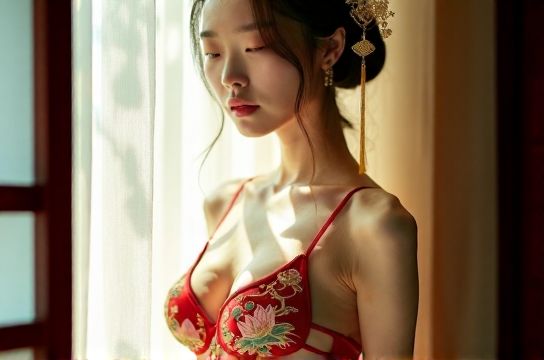
In ancient China, lingerie wasn’t about seduction in the Western sense—it was about harmony, modesty, and subtle allure. Worn beneath flowing hanfu or qipaos, these garments were crafted from muli (double-layered silk), prized for its softness and breathability. Unlike modern bras and panties, early forms included duan (silk vests) and xiuku (drawstring trousers), often dyed red—a color symbolizing luck, fertility, and protection against evil spirits.
Let’s dive into the numbers behind this silent luxury:
The Silk Advantage: Why China Leads
| Country | Silk Production (Metric Tons, 2023) | Global Share | Main Export Markets |
|---|---|---|---|
| China | 170,000 | 85% | EU, USA, Japan |
| India | 30,000 | 12% | Middle East, Southeast Asia |
| Others | 6,000 | 3% | Local Markets |
As the data shows, China dominates global silk production—fueling both high fashion and intimate apparel industries. But it’s not just volume; it’s craftsmanship. Artisans in Hangzhou and Suzhou still hand-weave fabric using looms inspired by the Han Dynasty. Each piece can take over 20 hours to complete, with threads finer than human hair.
Symbolism Woven In
Patterns matter. A phoenix embroidered on a silk camisole isn’t just pretty—it signifies feminine grace and marital bliss. Peonies? Wealth and romance. Even the lotus, rising from mud to bloom, represents purity and rebirth. These motifs aren’t random; they’re intentional blessings stitched close to the skin.
In imperial times, only noblewomen wore intricately decorated undergarments. Today, brands like NE-Tiger and La Korina are reviving these traditions, blending them with modern cuts. Their limited-edition collections sell out fast—proof that heritage has serious sex appeal.
Modern Fusion: Tradition Meets Trend
Contemporary Chinese lingerie designers aren’t stuck in the past. They’re reimagining classics for global audiences. Take the qungua-inspired bralette: a two-piece set echoing the traditional bridal suit, now made in blush silk with gold-thread edging. Or adjustable silk slips with hidden pockets—practical yet poetic.
And let’s talk sustainability. With fast fashion under fire, silk offers a natural, biodegradable alternative. Ethical brands emphasize peace silk (where moths are allowed to emerge before cocoons are harvested), appealing to eco-conscious consumers.
Why This Matters Now
In a world obsessed with trends, Chinese lingerie reminds us that intimacy isn’t just physical—it’s cultural. Every thread tells a story of resilience, beauty, and identity. Whether you’re slipping into a red silk chemise for good luck or choosing peace silk for the planet, you’re part of a deeper narrative.
So next time you shop for lingerie, go beyond the label. Ask: Who made this? What does it mean? And remember—true luxury isn’t loud. Sometimes, it’s whispered in silk.