Color Symbolism in Chinese Lingerie Aesthetic Choices
- 时间:
- 浏览:166
- 来源:CN Lingerie Hub
If you’ve ever browsed lingerie in China—or even scrolled through Taobao or JD.com—you might’ve noticed something subtle but powerful: color isn’t just fashion. It’s meaning. In Chinese culture, colors carry deep symbolic weight, and when it comes to intimate apparel like lingerie, those hues are carefully chosen, not just for beauty, but for luck, love, and identity.
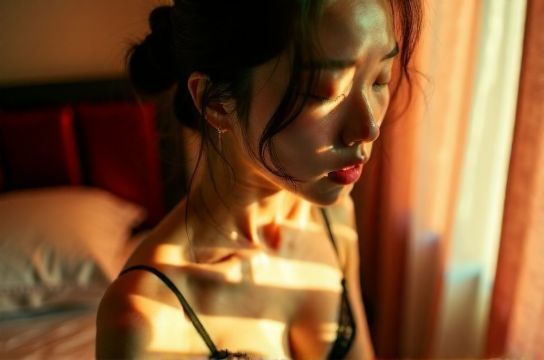
As a lifestyle blogger who’s spent years decoding East Asian aesthetic trends, I’ve seen how color symbolism in Chinese lingerie influences buying decisions more than fabric or cut—yes, really. Let’s break down what your favorite shades actually say, backed by cultural insight and consumer data.
Why Red Reigns Supreme
In Western markets, black dominates lingerie sales—elegant, mysterious, classic. But in China? Red is queen. Not just any red, though. We’re talking zhenghong (正红), the official, auspicious red tied to festivals, weddings, and prosperity.
A 2023 survey by iiMedia Research found that 68% of Chinese women aged 18–35 prefer red or pink lingerie for special occasions, especially around Lunar New Year or Valentine’s Day. Compare that to only 24% in the U.S. who choose red for romantic events (NPD Group).
| Color | China: Popularity (%) | U.S.: Popularity (%) | Primary Association |
|---|---|---|---|
| Red | 68% | 24% | Love, Luck, Celebration |
| Pink | 52% | 38% | Youth, Romance |
| Black | 31% | 67% | Sophistication, Mystery |
| White | 18% | 29% | Purity (but caution in China) |
See the gap? That’s culture in action. While black screams ‘confidence’ in New York, in Shanghai, red whispers ‘I’m ready for good fortune.’
The Taboo Tones: Why White & Blue Are Tricky
Here’s where things get spicy. In Western lingerie ads, white symbolizes purity—think bridal sets. But in China, white is traditionally worn at funerals. So while some modern brands like NEIWAI (内外) use minimalist white sets to appeal to younger, global-minded consumers, older generations still hesitate.
Blue? Calm and serene elsewhere, but in Mandarin, the word for blue (qing) historically blends green and blue—and can imply infidelity (‘wearing a green hat’ = being cheated on). So bold teal or emerald lingerie? Risky move unless marketed as ‘fashion-forward,’ not romantic.
Gold & Pink: The Rising Power Duo
Luxury matters. And in China, nothing says premium like gold accents. Brands like Embry Form and La Perla have launched limited-edition red-and-gold sets during Chinese New Year—with prices up to ¥2,888 ($400). And they sell out.
Why? Gold means wealth, and when paired with red, it’s a double dose of luck. Meanwhile, millennial and Gen-Z buyers are driving demand for soft pinks—not baby pink, but doudouhong (dough-dough red), a milky rose tone symbolizing gentle femininity without traditional pressure.
So, What Should You Choose?
If you're shopping for someone in China—or building a brand that targets this market—don’t treat lingerie like neutral fashion. Ask: What emotion do you want to evoke?
- Red + Gold: Perfect for gifts, weddings, or CNY. High emotional ROI.
- Pink (milky rose): Ideal for self-purchase or modern romance. Safe yet trendy.
- Black: Go for sleek designs, but pair with red packaging or ribbons to soften cultural resistance.
- Avoid pure white or green for romantic contexts—unless rebranded with strong storytelling.
In short, understanding color symbolism in Chinese lingerie isn’t just about design—it’s about respect, timing, and tapping into deeper cultural currents. For more insights on Asian aesthetic psychology in fashion, stay tuned.