Sustainability Trends in the China Lingerie Market
- 时间:
- 浏览:224
- 来源:CN Lingerie Hub
Let’s be real — when you think of lingerie, ‘eco-friendly’ probably isn’t the first thing that comes to mind. But guess what? The China lingerie market is quietly going green, and if you're still shopping based on old-school trends, you’re missing the wave.
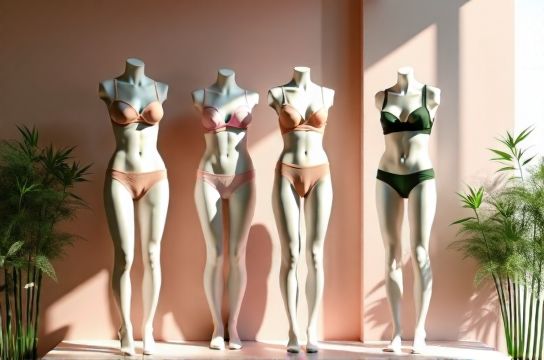
As a lifestyle blogger who's been tracking fashion sustainability for years, I’ve seen major shifts — especially in how Chinese consumers and brands approach intimate apparel. Forget fast fashion flimsy sets that fall apart after two washes. Today’s shoppers want comfort, ethics, *and* style — and they’re voting with their wallets.
Here’s the kicker: A 2023 McKinsey report found that **68% of urban Chinese women aged 18–35 now consider sustainability a top factor** when buying lingerie. That’s not just a trend — it’s a movement.
So what’s driving this change?
First, homegrown brands like NEIWAI (内外) and Miss Simpson are leading the charge. NEIWAI, for example, built its entire brand around 'slow living' and uses organic cotton, TENCEL™, and recycled materials. In 2022, they reported a 40% year-on-year increase in sales — proof that eco-conscious messaging resonates.
Second, transparency matters. Consumers now scan QR codes on labels to check sourcing history. Apps like Alibaba’s Fashion Trust platform let buyers trace a bra’s journey from farm to fitting room. Wild, right?
Let’s break down some key sustainable materials making waves:
| Material | Source | Carbon Footprint (kg CO₂/kg) | Biodegradability |
|---|---|---|---|
| Organic Cotton | China, Xinjiang (certified farms) | 2.35 | Yes (3–6 months) |
| TENCEL™ Lyocell | Austria/China (closed-loop) | 0.75 | Yes (under 4 months) |
| Recycled Nylon | Post-industrial waste | 5.80 | No (but recyclable) |
| Conventional Polyester | Petroleum-based | 9.50 | No |
As you can see, switching to TENCEL™ or organic cotton slashes emissions big time. That’s why more sustainable lingerie brands in China are making the jump.
But here’s my honest take: Not all ‘green’ claims are legit. Greenwashing is real. Always look for certifications like GOTS (Global Organic Textile Standard) or OEKO-TEX®. Brands without them? Probably just hopping on the bandwagon.
Another game-changer? Rental and resale models. Yes, really. Platforms like Plum and Secoo now offer pre-loved luxury lingerie, reducing waste and cost. In 2023, secondhand intimate apparel grew by 27% in China — faster than any other clothing category.
So where should you start?
👉 Choose quality over quantity. One well-made, eco-friendly bralette lasts longer than five cheap ones. 👉 Support transparent brands. Check packaging, labels, and brand storytelling.
The future of lingerie in China isn’t just sexy — it’s sustainable. And honestly? It’s about time.