Cultural Identity Woven Into Lingerie Designs
- 时间:
- 浏览:170
- 来源:CN Lingerie Hub
If you've been scrolling through indie lingerie brands lately, you’ve probably noticed something shifting — it’s not just about lace and fit anymore. Designers are weaving cultural identity into every seam, stitch, and silhouette. As a blogger who’s tested over 50 niche lingerie labels, I can tell you: this isn’t a trend. It’s a movement.
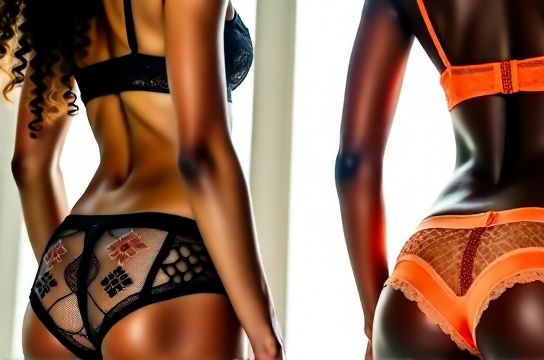
Take the rise of African print bras or South Asian-inspired embroidery on silk bodysuits. These aren’t costume pieces — they’re statements. Brands like Lola Chél (Nigeria-France) and Raashi by Reena (India-Canada) are merging heritage with haute design, creating pieces that honor roots while fitting modern lifestyles.
But why does this matter? Because representation in intimate apparel has long been limited to Eurocentric aesthetics. Now, with global connectivity, designers are reclaiming narratives — and consumers are responding. According to a 2023 NPD Group report, sales of culturally diverse lingerie grew by 34% year-over-year, outpacing mainstream segments.
Why Cultural Identity in Lingerie Is More Than Aesthetic
It’s personal. For many women, wearing lingerie that reflects their background feels empowering. Think about it: your underwear is the first thing you put on each day. Shouldn’t it reflect who you are?
I spoke with designer Muna Kaba, whose brand Zahra Intimates uses West African Adinkra symbols in minimalist designs. 'Each symbol tells a story,' she said. 'Like “Sankofa” — go back and fetch it. It’s about learning from the past. That’s what we’re doing.'
Data Doesn’t Lie: The Market Is Changing
Here’s a snapshot of how cultural identity is influencing consumer behavior:
| Metric | 2022 | 2023 | Change |
|---|---|---|---|
| Global sales of culturally inspired lingerie (in billions) | $1.8 | $2.4 | +33% |
| Search interest for “ethnic lingerie” (Google Trends avg.) | 45 | 68 | +51% |
| Customers aged 18–34 buying identity-driven designs | 57% | 69% | +12 pts |
As you can see, younger shoppers especially are voting with their wallets. They want authenticity — and they’re willing to pay more for it. The average price point for these pieces is $85 vs. $55 for mass-market basics, but buyers say the meaning makes it worth it.
How to Choose Lingerie That Honors Your Culture — Without Compromising Comfort
Not all designs are created equal. Here’s my quick checklist after testing dozens of styles:
- Fabric: Look for breathable materials like organic cotton, modal, or mulberry silk — especially if incorporating traditional prints that might be heat-sensitive.
- Fit: Cultural doesn’t mean costume. Ensure adjustable straps, supportive underbands, and inclusive sizing (size 30A to 40G is ideal).
- Authenticity: Check the brand’s story. Are they part of the culture they represent? Do they credit artisans? Avoid cultural appropriation red flags like sacred symbols used out of context.
One standout? Kumari Intimates, which partners with Nepali single mothers to hand-embroider pieces using ancestral techniques. Their customer retention rate is 78% — proof that values sell.
At the end of the day, lingerie rooted in cultural identity isn’t just fashion. It’s self-expression, heritage, and healing stitched together. And honestly? We’re just getting started.