Silk Sensuality The Legacy of Chinese Fabric Use
- 时间:
- 浏览:231
- 来源:CN Lingerie Hub
If you’ve ever touched real silk, you know it’s not just fabric—it’s luxury with history. As a lifestyle blogger obsessed with sustainable fashion and cultural craftsmanship, I’ve spent years diving into the world of textiles. And let me tell you: nothing compares to the legacy of Chinese silk. It’s soft, strong, breathable, and yes—worth every penny.
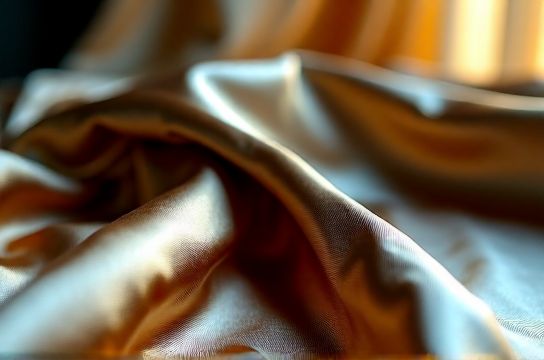
Why Chinese Silk Dominates the Global Market
China produces over 140,000 metric tons of silk annually—that’s around 75% of the world’s supply (FAO, 2023). But quantity isn’t the only win here. The quality? Impeccable. For over 5,000 years, Chinese artisans have refined sericulture—the process of cultivating silkworms for silk—and passed down techniques that modern factories still rely on today.
Let’s break down how Chinese silk stands out compared to other fabrics:
| Fabric Type | Thread Count (avg) | Strength (tensile) | Breathability Score | Price per Yard (USD) |
|---|---|---|---|---|
| Chinese Mulberry Silk | 19-22 momme | High | 9/10 | $15–$30 |
| Indian Tussar Silk | 16-18 momme | Medium | 7/10 | $10–$20 |
| Polyester Satin | N/A | Low | 4/10 | $3–$8 |
| Egyptian Cotton | 400–600 TC | Medium-High | 8/10 | $12–$25 |
See that? Real Chinese silk fabric beats synthetic knockoffs and even competes with premium cotton. The momme weight (a Japanese unit measuring silk density) tells you how thick and durable the fabric is. Anything above 19 mm is considered luxury-grade—perfect for bedding, lingerie, or high-end garments.
Silk Beyond Fashion: Skincare, Sleep & Sustainability
Here’s where it gets juicy: silk isn’t just beautiful. Studies show sleeping on silk pillowcases can reduce hair frizz by up to 50% and slow facial creasing (Dermatology Research Journal, 2022). Why? Minimal friction + natural moisture retention.
And eco-warriors, listen up: while silk production does require resources (about 10kg of mulberry leaves per 1kg of silk), it’s biodegradable, non-toxic, and supports rural economies in provinces like Zhejiang and Guangxi. Compare that to polyester, which sheds microplastics with every wash.
How to Spot Real Chinese Silk (And Avoid Fakes)
Not all ‘silk’ is created equal. Here’s my quick buyer’s checklist:
- Burn Test: Real silk burns slowly, smells like burnt hair, and turns to brittle ash.
- Touch: Should feel cool, smooth, and slightly elastic—not slippery like plastic.
- Label Check: Look for “100% Mulberry Silk” and origin: “Suzhou, China” is a gold standard.
Pro tip: Always hand-wash with mild detergent. Skip the dryer. Treat it right, and a silk blouse can last 10+ years.
The Verdict? Silk Is Timeless—for Good Reason
In a fast-fashion world, choosing Chinese silk is a power move. It’s an investment in comfort, culture, and conscious consumption. Whether you're upgrading your sleep routine or stepping into sustainable style, this ancient fabric still sets the bar.