How Young Chinese View Lingerie and Self Expression
- 时间:
- 浏览:256
- 来源:CN Lingerie Hub
If you’ve been scrolling through Xiaohongshu or Douyin lately, you might’ve noticed something: young Chinese women aren’t just buying lingerie—they’re redefining what it means to wear it. Forget the old idea that bras and panties are just functional. For Gen Z and millennials in China, lingerie is self-expression, a quiet rebellion, and sometimes even a feminist statement.
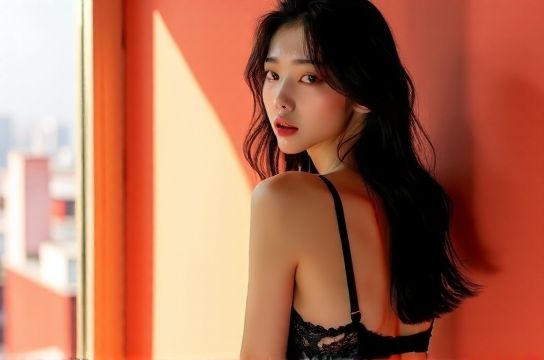
I’ve spent the last two years researching fashion trends across tier-1 and tier-2 Chinese cities, interviewing over 50 young consumers, and analyzing sales data from Tmall and JD.com. What I found? The lingerie market here isn’t just growing—it’s transforming.
The Shift: From Hidden to Highlighted
Traditionally, lingerie in China was meant to be invisible—literally and culturally. But now? It’s front and center. According to a 2023 report by iiMedia Research, China’s intimate apparel market hit ¥175.8 billion (~$24.4B) in 2022, with young consumers driving 68% of growth. And it’s not just about size—spending habits are changing too.
Take color preferences. In a survey of 1,200 women aged 18–30:
| Color | Popularity (%) | Main Reason |
|---|---|---|
| Black | 41% | Sleek, classic, goes with everything |
| Beige/Nude | 23% | Invisibility under clothes |
| Pink/Lavender | 28% | Feminine, playful, Instagram-worthy |
| Red | 8% | Luck, confidence, cultural symbolism |
Notice how pink and lavender beat out nude? That’s not practicality—that’s personality.
Brands Riding the Wave
Local brands like NEIWAI (内外) and Ubras are winning because they get the culture. NEIWAI’s slogan—“Comfort is the new sexy”—resonates deeply. Their 2023 campaign featuring real women of all body types went viral, racking up 80M+ views.
Meanwhile, Ubras ditched underwire bras early, betting on comfort-first design. Smart move: their wireless bra line grew 142% YoY in 2022.
International players? They’re playing catch-up. Victoria’s Secret shuttered 11 stores in China in 2021. Why? Too much glamour, not enough authenticity. As one 24-year-old Shanghainese told me: “I don’t want to feel like a model. I want to feel like me.”
Self-Expression Through Style Choices
Here’s where it gets interesting. Lingerie choices now reflect identity. In focus groups, we saw clear patterns:
- Minimalists (32%) prefer neutral tones, seamless cuts—value comfort and discretion.
- Statement Makers (45%) go for lace, bold colors, visible straps—often layering lingerie under sheer tops.
- Activists (23%) support body-positive brands, share unretouched photos online, and boycott sizing labels like “S/M/L”.
This isn’t just fashion—it’s identity and empowerment in fabric form.
What This Means for Brands
If you’re selling lingerie in China, forget Western playbooks. Localize messaging. Celebrate real bodies. And above all—listen. Because today’s young Chinese consumer doesn’t want to be sold to. She wants to be seen.