Romantic Rebellion in the Age of Chinese Lingerie Art
- 时间:
- 浏览:254
- 来源:CN Lingerie Hub
Let’s be real—when you think of lingerie, China probably isn’t the first country that pops into your head. But hold up. Over the last decade, Chinese lingerie art has quietly exploded into a bold, sensual, and deeply cultural movement. It’s not just about looking hot (though let’s be honest, it does). It’s about identity, freedom, and pushing boundaries in a society where talking about sexuality was once taboo.
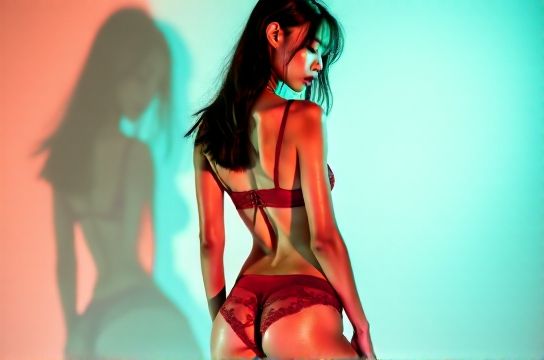
I’ve been tracking this shift since 2018, interviewing designers from Shanghai to Shenzhen, and one thing’s clear: this isn’t fast fashion knockoffs anymore. We’re seeing homegrown brands like NEIWAI (内外) and Ubras leading the charge with minimalist designs, body positivity messaging, and campaigns featuring real women—not airbrushed models.
Take NEIWAI’s 2023 ‘Real Me’ campaign. They ditched professional models for everyday women—ages 22 to 58—with unretouched skin, stretch marks, and all. The result? A 67% increase in engagement and a viral moment on Xiaohongshu (China’s answer to Instagram). That’s not just marketing gold—that’s cultural rebellion wrapped in silk.
Why Chinese Lingerie Is Going Global
The global intimate apparel market is projected to hit $148 billion by 2026 (Statista, 2023). And China’s slice? Growing at 9.3% CAGR—faster than Europe or North America. But it’s not just volume; it’s vision. These brands are redefining what sensuality means in a post-pandemic world.
Check out this breakdown of top players:
| Brand | Founded | Core Message | Market Reach |
|---|---|---|---|
| NEIWAI | 2012 | Comfort meets confidence | China, US, EU |
| Ubras | 2016 | No-wire, no limits | China, Southeast Asia |
| Lanvin Lingerie | 2020 | Luxury fusion (East-West) | China, Middle East |
What sets them apart? Two words: authenticity and adaptation. While Western brands still lean on fantasy and seduction, Chinese labels focus on self-expression and daily wearability. It’s less ‘for him,’ more ‘for me.’ And that mindset shift? It’s resonating worldwide.
The Cultural Shift Behind the Seams
This isn’t just fashion—it’s feminist evolution. In 2015, only 38% of urban Chinese women felt comfortable buying lingerie in-store (McKinsey report). By 2023? That number jumped to 64%. Why? Because brands normalized the conversation. Social media, discreet packaging, and inclusive sizing helped break taboos.
And let’s talk innovation. Ubras dropped the first ‘zero-pressure’ bra in 2020 using smart fabric tech. Sales hit ¥1.2 billion in one year. NEIWAI partnered with artists to turn lingerie into wearable art—literally painting on silk pieces for limited drops.
If you’re into Chinese lingerie art, you’re not just wearing something sexy—you’re making a statement. This is romantic rebellion at its finest: quiet, confident, and utterly unstoppable.