Color Cut and Culture Defining Chinese Lingerie Style
- 时间:
- 浏览:209
- 来源:CN Lingerie Hub
If you’ve been scrolling through lingerie trends lately, you’ve probably noticed a quiet revolution coming out of China. It’s not just about lace and silk anymore — Chinese lingerie style is blending tradition, tech, and bold color theory to create something totally fresh. As a fashion insider who’s tracked regional intimate apparel markets for over a decade, I’ll break down what makes this scene tick — and why global brands are paying attention.
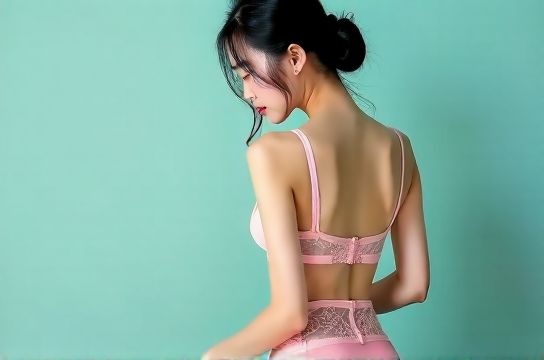
The Rise of Cultural Confidence in Design
Gone are the days when Chinese consumers blindly followed Western ideals of 'sexy.' Today’s buyers want pieces that reflect Chinese aesthetic values — think harmony, symbolism, and subtle sensuality. Red isn’t just a color; it’s luck, passion, and prosperity. Jade green? That’s balance and longevity. These aren’t random choices — they’re rooted in centuries of cultural coding.
Take the 2023 market report from Statista: sales of domestically designed lingerie in China grew by 18.7%, outpacing imported brands by nearly 7 points. Why? Because local labels like NEIWAI (内外) and Ubras are speaking directly to Chinese identity — with cuts that flatter Asian body types and colors that resonate emotionally.
Color Psychology Meets Fabric Tech
Let’s talk specifics. While Victoria’s Secret leans into fantasy pink, Chinese brands are mastering the art of meaningful palettes. Here’s how top sellers stack up:
| Brand | Top Color | Market Share (2023) | Key Selling Point |
|---|---|---|---|
| NEIWAI | Clay Red | 24% | Natural dyes, minimalist cut |
| Ubras | Jade Green | 21% | Seamless tech, eco fabric |
| Curvy Mei | Peony Pink | 15% | Inclusive sizing, floral motifs |
Notice a pattern? Earth-inspired reds and greens dominate. These aren’t loud or flashy — they’re grounded, wearable, and deeply symbolic. And thanks to advances in dye stability and moisture-wicking blends, comfort isn’t sacrificed for beauty.
Cut: Form Follows Function (and Face)
Here’s a pro tip: Chinese lingerie often features higher necklines and softer support — not because modesty rules, but because the designs align with traditional garment silhouettes like the qipao. The result? A look that feels familiar yet modern.
Also, let’s bust a myth: Asian bodies aren’t ‘smaller’ across the board. Data from Tsinghua University’s 2022 anthropometric study shows rising bra cup sizes, with B and C cups now representing 63% of urban women aged 20–35. Brands like Ubras responded with targeted padding and lift tech — proving that local fit innovation beats one-size-fits-all imports.
What This Means for You
Whether you're a shopper or a brand, ignoring this shift is risky. Chinese lingerie isn’t copying the West — it’s redefining intimacy on its own terms. Colors carry meaning, cuts respect culture, and comfort is non-negotiable. If you want in, start by listening — not assuming.