Sensual Narratives Woven into Chinese Clothing Traditions
- 时间:
- 浏览:185
- 来源:CN Lingerie Hub
If you’ve ever been mesmerized by the graceful sway of a silk qipao or the flowing elegance of a Tang-style robe, you’re not alone. As a cultural fashion blogger who’s spent over a decade exploring traditional garments across Asia, I can tell you—Chinese clothing is far more than fabric and thread. It’s storytelling stitched in silk, where every curve, color, and cut whispers centuries of sensual narratives and social evolution.
The Seductive History Behind the Silhouette
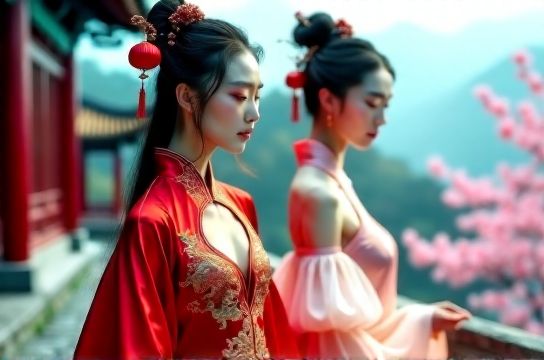
Let’s get one thing straight: sensuality in Chinese dress isn’t about skin—it’s about subtlety. Unlike Western fashion that often highlights bold exposure, traditional Chinese clothing uses suggestion. Think high slits on the qipao, delicate embroidery along collarbones, or sheer sleeves that catch the breeze just right. These designs were never accidental—they were calculated expressions of grace, power, and restrained allure.
During the Qing Dynasty, for example, Manchu women wore the cheongsam, which evolved into the modern qipao in 1920s Shanghai. That era? A golden age of glamour. Urban women embraced body-hugging styles as symbols of liberation. By the 1930s, over 60% of fashionable women in Shanghai wore some version of the form-fitting qipao—proof that modesty and magnetism aren’t mutually exclusive.
Decoding Symbolism: What Your Outfit Says About You
Colors, patterns, even button placement—all carry meaning. Want to send a quiet romantic message? Wear red with peony embroidery. Seeking prosperity? Go for gold-threaded dragons. Below is a breakdown of common elements and their symbolic weight:
| Element | Symbolic Meaning | Cultural Context |
|---|---|---|
| Red Silk | Love, luck, passion | Weddings, festivals |
| Peonies | Royalty, romance | Imperial courtyards, spring celebrations |
| High Slit (Qipao) | Modern independence | 1920s urban feminism |
| Phoenix Embroidery | Feminine power | Empress attire, bridal wear |
This isn’t just fashion—it’s semiotics wrapped in satin. And today, designers are reviving these codes with a modern twist. Take Dior’s 2023 Fall Collection, which featured mandarin collars and cloud motifs inspired by Hanfu traditions—sparking both admiration and debate over cultural appreciation vs. appropriation.
Why Modern Wearers Are Reclaiming Tradition
There’s a resurgence happening. From TikTok influencers rocking Hanfu street style to global runways citing Ming-era silhouettes, young people are reconnecting with identity through cloth. In fact, China’s Hanfu market hit $1.6 billion in 2023, with over 10 million active wearers—most under 30.
But it’s not nostalgia. It’s reclamation. Wearing a Tang jacket today can be a statement: I honor my roots. I embrace subtle seduction. I define elegance on my terms.
Final Thoughts: Dress With Intention
Whether you're slipping into a vintage qipao or layering a modern cheongsam-inspired top, remember: you're wearing history. Each fold holds a story of women who used fabric to assert agency, charm, and resilience. So next time you choose traditional Chinese attire, ask yourself—not just 'Do I look good?' but 'What am I saying?'