Lingerie as Liberation in Modern Chinese Society
- 时间:
- 浏览:267
- 来源:CN Lingerie Hub
In the past decade, lingerie in China has shifted from a closeted secret to a bold statement of self-expression. As a lifestyle blogger who’s been tracking fashion and feminism across Asia, I’ve watched this transformation unfold — and trust me, it’s about way more than just lace and silk.
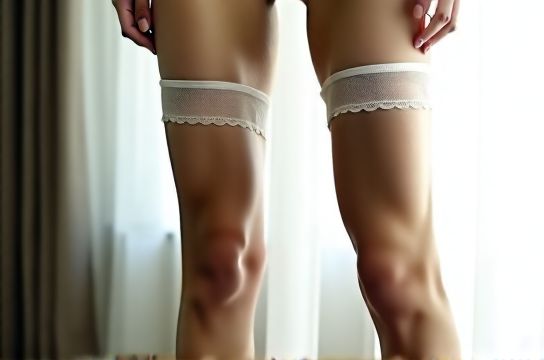
Gone are the days when underwear was purely functional or hidden beneath layers of modesty. Today, Chinese women, especially Gen Z and millennial urban professionals, are embracing lingerie as personal liberation. It’s not just about looking good; it’s about feeling powerful in your own skin.
According to a 2023 report by iiMedia Research, China’s intimate apparel market hit ¥185.7 billion (~$25.6 billion) — and is projected to grow at 9.4% annually through 2027. What’s driving this surge? Not marriage rates or bridal culture — but individualism.
Brands like NEIWAI (内外) and Ubras are leading the charge with campaigns centered on body positivity and comfort. Remember Ubras’ viral 2020 ad: ‘No Wire, No Worries’? That wasn’t just clever marketing — it was cultural commentary. They sold over 1.2 million wireless bras in one month post-campaign.
Let’s break down how the game has changed:
The Mindset Shift: From Modesty to Autonomy
Traditionally, lingerie in China carried moral weight — associated with marital duty or, worse, shame. But now? Women are buying bras for themselves, not partners. A 2022 survey by Alibaba showed that 68% of lingerie purchases were self-funded, up from 49% in 2017.
| Year | Market Size (¥ Billion) | Self-Purchase Rate | Dominant Style |
|---|---|---|---|
| 2018 | 120.3 | 49% | Push-up / Wired |
| 2021 | 156.8 | 61% | Soft Cup / Bralette |
| 2023 | 185.7 | 68% | Wireless / Seamless |
This data tells a clear story: comfort and autonomy are winning. The rise of remote work and athleisure hasn’t hurt either — seamless styles sell out within hours during Double 11.
Lingerie as Empowerment: More Than Fabric
I spoke with Lisa Chen, a Shanghai-based brand strategist who worked on NEIWAI’s ‘Take Off Your Armor’ campaign. She told me: ‘We’re not selling bras. We’re selling permission — to be soft, to be seen, to choose yourself.’
And it’s working. NEIWAI’s revenue jumped from ¥800 million in 2019 to ¥2.2 billion in 2023. Their secret? Real women in ads — different body types, ages, even stretch marks.
Social media plays a huge role. On Xiaohongshu (China’s Instagram), hashtags like #MyLingerieStory have over 400 million views. Women share unfiltered photos, talk about postpartum bodies, and celebrate scars. This isn’t just commerce — it’s community.
What’s Next?
The future? Inclusive sizing, sustainable materials, and deeper emotional branding. International players like Victoria’s Secret are adapting — their 2023 rebrand in China dropped the ‘Angel’ image for real stories of resilience.
But local brands still lead in cultural relevance. As one Beijing customer told me: ‘When I wear Ubras, I feel free. Not sexy for someone else — just free.’
Lingerie in modern China isn’t rebellion. It’s evolution. And it’s only getting started.