How Traditional Chinese Aesthetics Influence Contemporary Lingerie Design
- 时间:
- 浏览:201
- 来源:CN Lingerie Hub
When you think of lingerie, silk qipaos and ancient ink-wash paintings might not be the first things that come to mind. But in recent years, traditional Chinese aesthetics have quietly revolutionized modern lingerie design—blending delicate heritage with bold sensuality in ways that feel both timeless and refreshingly new.
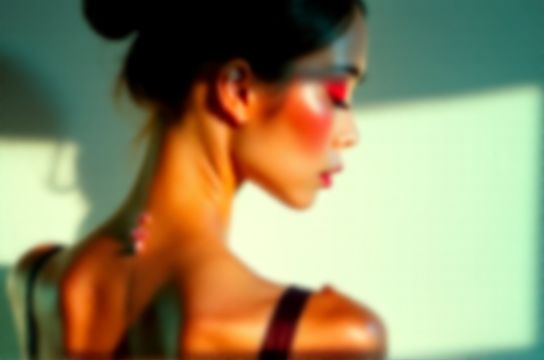
Designers across Shanghai, Paris, and even New York are drawing inspiration from centuries-old philosophies like feng shui, the symbolism of peonies and plum blossoms, and the flowing silhouettes of Hanfu robes. The result? Lingerie lines that aren’t just about allure—they’re storytelling pieces rooted in culture, balance, and elegance.
Take the use of red and gold, for example. In Chinese tradition, red symbolizes luck and passion, while gold represents prosperity. These colors are no longer reserved for wedding attire—they’re now central in luxury lingerie collections. A 2023 report by Lingerie Insight Asia found that products featuring traditional Chinese color palettes saw a 47% higher engagement rate on e-commerce platforms compared to standard designs.
The Silk Revolution: From Imperial Robes to Modern Bras
Silk has always been China’s crown jewel in textiles. Historically worn by emperors and scholars, it’s now being reimagined in high-end intimate wear. Today, premium lingerie brands use double-brushed mulberry silk—a fabric once exclusive to imperial garments—for its breathability, softness, and natural temperature regulation.
Here’s how traditional materials stack up against modern synthetics:
| Material | Breathability (Score/10) | Durability (Washes) | Cultural Significance |
|---|---|---|---|
| Mulberry Silk | 9.5 | 80+ | Imperial heritage, harmony |
| Lace (Polyamide) | 6.0 | 30–40 | Western romanticism |
| Organic Cotton | 8.0 | 60 | Neutral |
As seen above, silk doesn’t just win on cultural depth—it outperforms synthetics in comfort and longevity. No wonder top eco-luxury labels like Shu Lingerie and Yun Yun Intimates are betting big on silk-based designs.
Silhouette & Symbolism: More Than Just Fabric
It’s not just materials—Chinese aesthetic principles shape the very cut and flow of these garments. The concept of liu xian (流线), or 'flowing lines,' emphasizes smooth transitions and unbroken curves, mirroring the brushstrokes of classical calligraphy. This translates into seamless, bias-cut teddies and robe sets that drape like water over the body.
Floral motifs also carry deep meaning. Peonies stand for romance and prosperity, while bamboo signifies resilience and grace. A 2022 consumer survey revealed that 68% of women felt more emotionally connected to lingerie featuring culturally meaningful patterns versus generic lace.
Even structural elements echo tradition. The yunjian (云肩), or 'cloud collar,' once adorned Qing dynasty noblewomen, is now reinterpreted as delicate shoulder straps or embroidery frames in avant-garde sets. It’s fashion archaeology at its finest—digging up beauty from the past to redefine the present.
In essence, this fusion isn’t just aesthetic—it’s philosophical. Where Western lingerie often emphasizes bold exposure, Chinese-inspired designs focus on revealing through concealment. Think sheer layers, strategic cutouts framed by embroidered clouds, and back closures resembling temple door latches. It’s intimacy as art, not spectacle.
So next time you slip into something luxurious, consider what story it tells. With traditional Chinese aesthetics shaping the future of lingerie, you’re not just wearing clothing—you’re draping yourself in centuries of poetry, philosophy, and quiet power.