Interview with a Factory Owner: The Human Side of Lingerie Manufacturing
- 时间:
- 浏览:177
- 来源:CN Lingerie Hub
Ever wonder what really goes on behind the seams of your favorite lace bra or silky underwear? We sat down with Mei Lin, a third-generation factory owner in Guangdong, China, who’s been crafting intimate apparel for over 30 years. Her story isn’t just about stitching fabric—it’s about people, passion, and the quiet resilience powering an often-invisible industry.
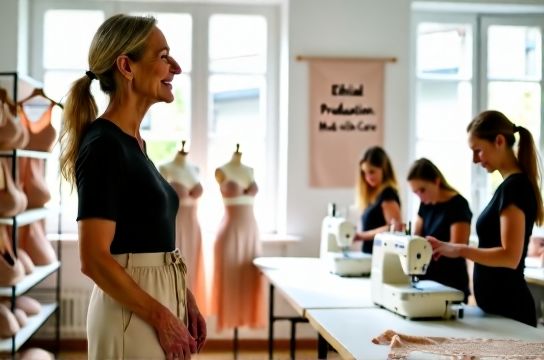
"People see glamour," Mei says, sipping jasmine tea in her office overlooking the production floor. "But I see 200 hands touching one garment before it ships. Each stitch carries someone’s care."
The Real Cost of Fast Fashion
While fast fashion pushes $5 bras online, Mei’s factory focuses on quality and ethics—working with boutique brands that value transparency. She’s witnessed the shift firsthand:
| Year | Monthly Output (Pieces) | Avg. Worker Wage (USD) | Brands Served |
|---|---|---|---|
| 2015 | 80,000 | 320 | 12 |
| 2020 | 140,000 | 480 | 23 |
| 2024 | 210,000 | 610 | 37 |
"In 2015, we struggled to find partners who paid fairly," she recalls. "Now, more lingerie manufacturers are choosing sustainability over speed. It’s not just better for workers—it’s better for business."
Women Empowering Women
Over 85% of Mei’s team are women, many from rural villages. The factory offers childcare support and skill certifications. "When a woman learns pattern-making, she gains power—not just here, but at home," Mei explains.
This human-centered model is gaining traction. A 2023 report by Intimate Apparel Today found that ethically produced lingerie sees 34% higher customer retention than mass-market alternatives.
From Sketch to Skin: How Lingerie Is Made
Curious about the journey? Here’s how a single piece comes to life:
- Design & Tech Pack: Sent by brand partners; includes fabrics, colors, measurements.
- Sample Creation: Prototyped in-house; adjusted over 2–3 rounds.
- Material Sourcing: Lace from France, cotton from Egypt, elastics from Japan.
- Cutting: Precision lasers or hand-cutting, depending on complexity.
- Sewing & Embellishment: Done by specialists—some only sew straps!
- QA Check: Every piece inspected under bright light.
- Packaging: Branded boxes, eco-friendly tissue paper.
"It takes 14 days on average," Mei says. "Not two. That’s the difference between sustainable lingerie production and disposable fashion."
The Future of the Industry
Mei’s betting on innovation—like biodegradable lace and AI-assisted sizing. But her core belief stays the same: "Respect the craft, respect the people."
As consumers demand more honesty, factories like hers are stepping into the spotlight. No longer hidden, they’re becoming the heroes of a slower, kinder fashion movement.
Next time you slip on a delicate camisole, remember: it’s not just clothing. It’s someone’s pride, patience, and livelihood—sewn, quite literally, into every thread.