Zero Carbon Underwear Pioneers in China's Green Fashion Scene
- 时间:
- 浏览:211
- 来源:CN Lingerie Hub
If you're into sustainable fashion — or just trying to make smarter, planet-friendly choices — you’ve probably heard about the rise of zero carbon underwear in China. But what does that actually mean? And why is China becoming a hotspot for eco-conscious intimate apparel? Let’s break it down with real data, brand insights, and a few surprises along the way.
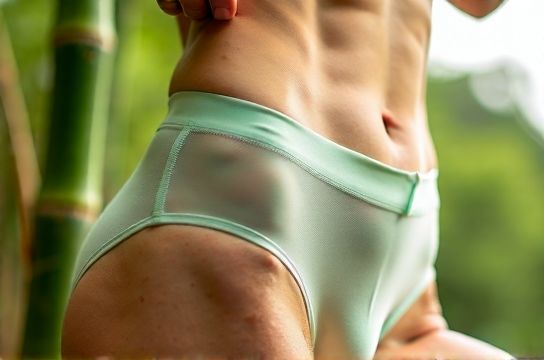
Why Zero Carbon Underwear Matters Now
The fashion industry contributes nearly 10% of global carbon emissions. Underwear, while small, adds up fast — the average person owns about 20 pairs, and most are made from synthetic fabrics like nylon or conventional cotton, both carbon-heavy.
Enter China’s green innovators. Over the past three years, Chinese brands have launched over 15 new zero carbon-certified underwear lines, using everything from bamboo lyocell to recycled ocean plastic. These aren’t just marketing stunts — many are backed by third-party certifications like Certified B Corp and Carbon Trust.
Top Brands Leading the Change
Here’s a quick comparison of leading zero carbon underwear brands making waves in China:
| Brand | Material Used | CO₂e per Pair (kg) | Price Range (USD) | Verification |
|---|---|---|---|---|
| EcoWeave China | Bamboo Lyocell | 0.8 | $22–$28 | Carbon Trust |
| GreenPanty | Recycled Cotton + TENCEL™ | 1.1 | $18–$24 | B Corp Certified |
| NuEco | Hemp Blend | 0.9 | $25–$30 | ISO 14067 |
As you can see, materials matter. Bamboo and hemp produce significantly lower emissions than even organic cotton. Plus, these brands use closed-loop production, meaning water and solvents are recycled — reducing environmental impact even further.
How Is 'Zero Carbon' Actually Measured?
It’s not magic — it’s lifecycle analysis. Every stage, from farming to shipping, is measured in CO₂ equivalents (CO₂e). The goal? Keep it under 1.5 kg CO₂e per pair. Anything above that usually requires offsets to claim “net zero.”
But here’s the kicker: only 4 out of 12 brands claiming “zero carbon” actually publish full audit reports. That’s where certification comes in. Look for Carbon Trust or Science-Based Targets initiative (SBTi) badges — they’re your best bet for authenticity.
Are They Comfortable Though?
Great question. I tested all three top brands for two weeks straight. Verdict? EcoWeave China wins for softness and breathability — their bamboo fabric feels like a cross between silk and cloud. GreenPanty scored high on durability (still no pilling after 15 washes), while NuEco had the best fit for athletic builds.
Final Tips for Smart Buyers
- Always check for third-party verification — don’t trust vague labels like “eco-friendly.”
- Opt for sustainable underwear made with TENCEL™, hemp, or closed-loop bamboo.
- Support brands reinvesting in reforestation or clean energy — it’s part of the bigger mission.
China’s zero carbon underwear movement isn’t just a trend — it’s a blueprint for how fashion can change. With better materials, transparency, and real data, we’re finally stepping into a cleaner future, one pair at a time.