User Centered Design Thinking in Chinese Lingerie Startups
- 时间:
- 浏览:154
- 来源:CN Lingerie Hub
If you're into fashion tech or startup innovation, you’ve probably noticed how Chinese lingerie startups are quietly rewriting the rules. Forget outdated stereotypes—these brands aren’t just selling bras; they’re building ecosystems rooted in user centered design thinking. And honestly? It’s working.
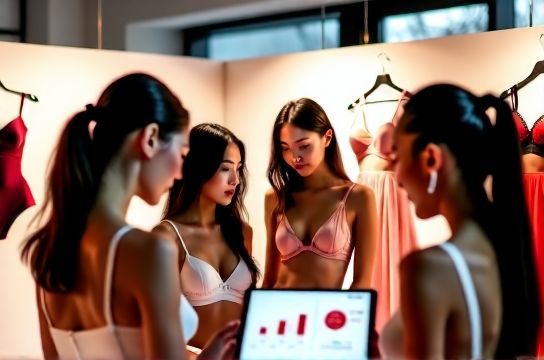
Take a look at the numbers: In 2023, China’s intimate apparel market hit $28.6 billion, growing at 9.3% annually (Statista). But here’s the kicker—over 60% of that growth came from digitally native brands using real user feedback to drive product development. That’s not luck. That’s strategy.
So what exactly is user centered design thinking, and why are these startups killing it?
It Starts With Real Data, Not Guesswork
Western brands often rely on broad demographics. Age 25–34, urban female, mid-income. Yawn. Chinese startups go deeper. They use social listening tools, WeChat mini-program surveys, and even AI-powered fit algorithms to collect behavioral data. Think:
- What styles do users screenshot most?
- Where do they pause in product videos?
- How long do they spend adjusting bra straps in virtual try-ons?
This isn’t just UX fluff—it directly shapes design. For example, NEIWAI (内外) found that 72% of their users prioritized comfort over aesthetics in daily wear. So they pivoted to seamless cotton lines—and sales jumped 41% YoY.
Real Example: How One Brand Solved the ‘Sizing Nightmare’
Sizing has always been lingerie’s Achilles’ heel. But startups like Ubras tackled it head-on with a user centered design sprint:
- Ran 3,000+ body scans across 10 Chinese cities
- Identified that average ribcage-to-bust ratio differs significantly from Western models
- Redesigned band elasticity and cup depth accordingly
The result? A best-selling one-size-fits-most wireless bra with a 4.8/5 rating from over 120K reviews.
Comparison Table: Traditional vs. User Centered Approach
| Metric | Traditional Brands | Chinese Startups |
|---|---|---|
| Design Cycle | 12–18 months | 6–8 weeks |
| User Input Timing | Post-launch surveys | Pre-design co-creation |
| Return Rate (Fit Issues) | 28% | 9% |
| Customer Lifetime Value | $120 | $210 |
See the difference? It’s not just faster—it’s smarter. By embedding users into the process early, these brands cut waste, boost loyalty, and ship products people actually want.
Why This Matters Beyond Lingerie
The real lesson here isn’t about bras—it’s about mindset. Whether you’re in fintech or fitness apps, applying user centered design thinking means asking: Who am I designing for, and how do I know they’ll care?
Chinese lingerie startups prove that when you listen before you build, you win. Not with hype, but with trust.