Eco Conscious Choices Drive Market Shift Toward Sustainable Intimate Solutions
- 时间:
- 浏览:151
- 来源:CN Lingerie Hub
If you're like most people, you probably don’t spend a lot of time thinking about the environmental impact of your intimate care products. But here’s a wake-up call: the global disposable intimate product market generates over 20 billion units of waste annually—most of which are non-biodegradable and end up in landfills or oceans (Source: Environmental Health Review, 2023). That’s where sustainable intimate solutions come in.
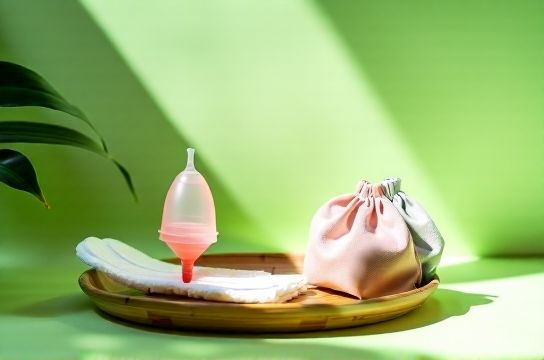
As a blogger who’s been reviewing eco-friendly personal care products for over five years, I’ve seen a massive shift—not just in consumer behavior, but in product innovation. More people are ditching single-use items in favor of reusable, organic, and plastic-free alternatives. And brands? They’re finally listening.
Why the Shift to Eco-Friendly Intimate Products?
It’s not just about saving the planet (though that’s a big part). It’s also about health, comfort, and long-term savings. Traditional pads and tampons often contain synthetic fibers, fragrances, and even traces of pesticides. A 2022 study by Women’s Voices for the Earth found that 60% of mainstream feminine hygiene products tested positive for phthalates—hormone-disrupting chemicals linked to reproductive issues.
Enter sustainable options: menstrual cups, organic cotton pads, period underwear, and biodegradable wipes. These aren’t niche anymore—they’re going mainstream. In fact, the global eco-conscious intimate care market is projected to hit $14.3 billion by 2027, growing at a CAGR of 9.4% (Grand View Research).
Top Sustainable Options Compared
So what’s actually out there? Here’s a breakdown of the most popular eco-friendly choices:
| Product | Lifespan | Cost Over 5 Years | Eco Impact | Best For |
|---|---|---|---|---|
| Menstrual Cup | 5–10 years | $30–$50 | Very Low | Heavy flow, active lifestyles |
| Period Underwear | 2–3 years | $150–$300 | Low | Light-moderate flow, daily wear |
| Organic Cotton Pads | Single-use (compostable) | $200–$400 | Moderate | Sensitive skin, convenience seekers |
| Biodegradable Wipes | Single-use (plastic-free) | $100–$200 | Moderate-Low | On-the-go freshness |
As you can see, while upfront costs vary, long-term savings—and environmental benefits—are clear winners for reusable products.
How to Make the Switch Without the Stress
New to this? Start small. Swap one product at a time. Try a sample pack of organic liners before committing to a full set. Or test a menstrual cup during a low-flow week. Many brands now offer starter kits with guides, storage bags, and even apps to track usage.
Pro tip: Look for certifications like GOTS (Global Organic Textile Standard), FSC (for packaging), and Leaping Bunny (cruelty-free). These labels mean real transparency—not greenwashing.
The bottom line? Your intimate care routine doesn’t have to cost the Earth—literally. With better materials, smarter design, and growing awareness, sustainable intimate solutions are no longer a compromise. They’re the upgrade we’ve been waiting for.