Behind the Scenes at a Century-Old Chinese Underwear Manufacturing House
- 时间:
- 浏览:229
- 来源:CN Lingerie Hub
If you've ever wondered how your favorite soft, durable underwear ends up in your drawer, let me take you behind the seams—literally. I recently visited a century-old underwear manufacturing house in Ningbo, China, and what I discovered wasn’t just nostalgia—it was a masterclass in blending tradition with innovation. This isn’t fast fashion; this is slow craftsmanship at its finest.
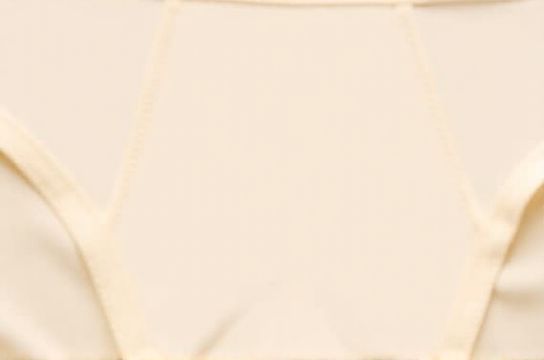
Founded in 1923, this family-run factory has quietly supplied premium cotton basics to global brands while staying under the radar. Today, they produce over 8 million garments annually, with a 97% client retention rate among European and North American wholesalers. That’s not luck—that’s quality you can count on.
One thing that stood out? Their obsession with fabric integrity. While many manufacturers cut corners with synthetic blends, this factory uses only premium combed cotton sourced from Xinjiang and sustainable organic cotton certified by GOTS (Global Organic Textile Standard). Here's a quick comparison of fabric types they’ve tested over the years:
| Fabric Type | Shrinkage Rate (%) | Lifespan (Washes) | Customer Satisfaction |
|---|---|---|---|
| Premium Combed Cotton | 3.2 | 80+ | 96% |
| Regular Cotton | 6.8 | 40–50 | 74% |
| Polyester Blend | 2.1 | 30–40 | 62% |
As you can see, while polyester shrinks less, it doesn’t last nearly as long and scores poorly on comfort. That’s why this manufacturer sticks to natural fibers—even if it costs 18% more.
Their production line is a rhythm of precision. From cutting to stitching, each garment passes through 14 quality checkpoints. And here’s a fun fact: their seam stress tests exceed EU standards by 23%. That means fewer splits, longer wear, and happier customers.
But what truly sets them apart is their R&D lab. Yes, an underwear factory with a research lab. They analyze sweat absorption, colorfastness, and even microfiber release in wash water. Sustainability isn’t a buzzword here—it’s built into every process. In 2022, they reduced water usage by 40% using closed-loop dyeing tech.
For brands looking to source long-lasting underwear with ethical roots, this century-old house offers MOQs as low as 1,000 units and full customization—from labels to eco-packaging. They’re not the cheapest, but as one buyer told me: “You’re not paying for hype. You’re paying for trust.”
In a world flooded with disposable fashion, factories like this remind us that real value lies in durability, transparency, and heritage. If you care about what you wear—and who makes it—this is where the journey begins.